
Treasury Yields Flash a Fed Warning Signal
 Vortixel
16 minutes read
Vortixel
16 minutes read
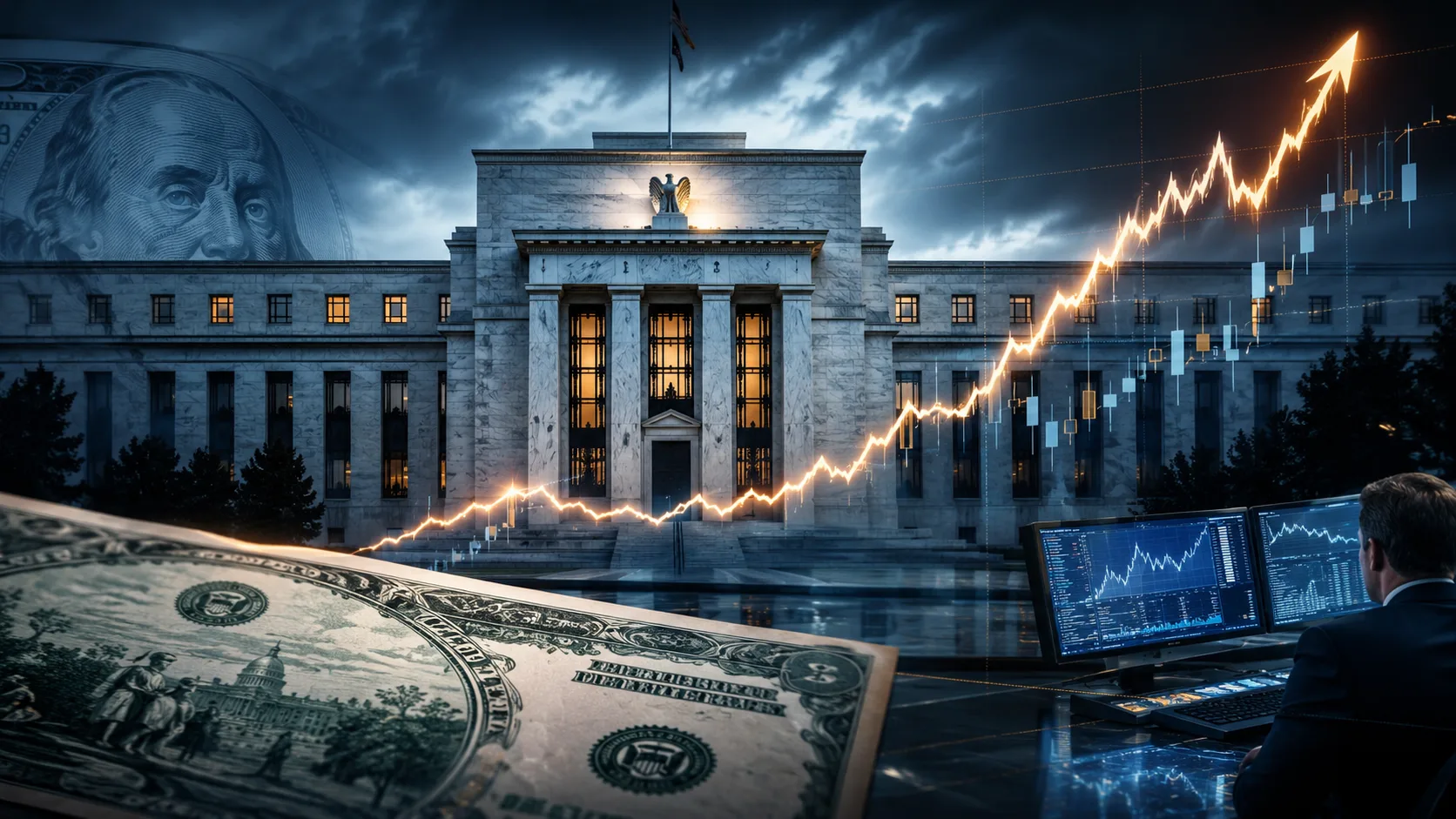
Treasury yields are suddenly doing what they always do when markets stop whispering and start yelling: they are sending a message straight to the Federal Reserve. The message is not wrapped in polite central-bank language, and it is definitely not waiting for a press conference. It is showing up in higher long-term borrowing costs, jumpy bond prices, anxious stock investors, and a market that is no longer fully convinced the Fed can talk inflation down without proving it. For Market Vortixel readers, this is the kind of macro setup that matters because it sits underneath almost everything, from tech valuations and mortgage rates to crypto sentiment and commodity trades. When the Treasury market moves this loudly, the rest of the financial world usually has to adjust its volume too.
The keyword to watch here is Treasury yields, because that phrase is basically the market’s heartbeat for interest-rate expectations, inflation fear, and confidence in U.S. policy. A rising yield means investors are demanding more return to hold U.S. government debt, and that can happen for several reasons at once. Sometimes it is about inflation, sometimes it is about stronger growth, sometimes it is about government borrowing, and sometimes it is about trust in the Fed’s next move. Right now, the signal looks mixed but serious, which is exactly why it has become such a powerful market story. The Treasury market is not just reacting to one data point; it is reacting to a whole cluster of pressure points that investors cannot ignore.
Why Treasury Yields Are Back in the Spotlight
Treasury yields are back in the spotlight because the bond market is testing the Fed at a fragile moment. Inflation has cooled from its worst phase, but it has not disappeared from the conversation, especially with energy prices creating fresh anxiety. At the same time, investors are watching the Fed’s tone, its willingness to stay restrictive, and the way it communicates with markets. When bond traders think the Fed may be too relaxed, long-term yields can rise as a warning. When they think the Fed may tighten too much, stocks can wobble because higher rates make future earnings less attractive.
This is why the Treasury market feels like the main character again. Stocks may grab headlines with flashy earnings reports, crypto may bring the volatility, and oil may bring the geopolitical drama, but yields are the quiet force deciding how expensive money becomes. A move in the 10-year Treasury yield can ripple through mortgage rates, corporate borrowing, credit cards, bank lending, and equity valuations. It can also change how investors compare risky assets against safer government bonds. If cash and Treasuries suddenly offer attractive returns, speculative assets have to work harder to justify their price.
The latest pressure is not happening in a vacuum. Markets have been dealing with stronger-than-expected economic resilience, sticky price pressures, heavy government debt issuance, and renewed global uncertainty. That combination makes investors less willing to assume that rate cuts are coming soon or that inflation will quietly drift back to target. In that environment, the Fed’s credibility becomes more important than ever. The bond market is essentially asking whether policymakers are ready to defend price stability even if that means making risk assets uncomfortable.
The Fed’s Communication Problem
One reason this story feels tense is that markets hate uncertainty from the Fed almost as much as they hate bad news. Investors do not need the central bank to reveal every move in advance, but they do need a clear reaction function. In simple terms, they want to know what kind of inflation, jobs, wage, or growth data would make the Fed hike, pause, or cut. When that framework feels blurry, yields can move more violently because traders are forced to price multiple outcomes at once. That is when even a small shift in language can turn into a big swing in bonds.
The Fed has spent years trying to balance flexibility with guidance, and that balance is never easy. Too much guidance can trap policymakers if the data changes quickly, while too little guidance can leave markets guessing. Today’s Treasury move suggests investors want more than confident speeches about inflation. They want proof that the Fed is willing to act if inflation risk rises again. The market is not saying a rate hike is guaranteed, but it is saying the Fed cannot assume credibility is automatic.
This matters because credibility is the invisible asset behind monetary policy. If investors believe the Fed will keep inflation under control, long-term yields can stay more stable even when short-term prices get noisy. If investors doubt that commitment, they demand a higher yield as compensation for future uncertainty. That higher yield then tightens financial conditions without the Fed even moving its benchmark rate. In other words, the bond market can do some of the Fed’s tightening work before the next official decision arrives.
Oil, Inflation, and the New Rate Debate
Energy prices are one of the biggest reasons investors are nervous again. When oil rises sharply, the first reaction is usually simple: traders start thinking about gasoline, transport costs, airline fuel, shipping expenses, and the possibility that inflation gets another push. Not every oil shock becomes a lasting inflation wave, but markets cannot ignore the risk. If consumers and companies start expecting higher prices, inflation can become harder to cool. That is why oil and Treasury yields often create a feedback loop during tense macro periods.
The Fed’s challenge is that energy-driven inflation is messy. Central banks cannot drill more oil, reopen shipping routes, or instantly solve geopolitical risk. Raising rates does not produce barrels, but it can cool demand and prevent price shocks from spreading deeper into the economy. That is why policymakers have to judge whether an oil spike is temporary noise or the start of a broader inflation problem. The bond market is now pressuring the Fed to take that risk seriously before it gets embedded in expectations.
For investors, the question is not only whether inflation rises next month. The bigger question is whether inflation stays high enough to keep rates elevated for longer. A single hot data print can move markets, but a change in the expected path of interest rates can reprice entire portfolios. Growth stocks, long-duration bonds, real estate, and speculative crypto assets are especially sensitive to that path. When yields rise, the market starts sorting assets based on who can survive a more expensive money environment.
Why Long-Term Yields Hit Risk Assets Hard
Long-term yields matter because they act like a discount rate for the future. When the 10-year or 30-year Treasury yield rises, investors place a lower value on profits expected far into the future. That is why high-growth technology stocks can become vulnerable when yields climb, even if their business stories still sound exciting. The math changes before the narrative does. A company can still be innovative, but if money becomes more expensive, its valuation can face pressure.
This is especially important in an AI-heavy market. Big technology firms and cloud infrastructure players have been spending aggressively on data centers, chips, power, and talent. Investors have tolerated huge capital expenditure because the AI growth story has been powerful enough to justify patience. But higher Treasury yields make patience more expensive. When bond yields rise, the market starts asking whether those AI investments will generate enough cash flow quickly enough to beat safer returns.
The same pressure can hit smaller companies too, but in a different way. Small-cap stocks often depend more heavily on borrowing and refinancing, so higher rates can directly squeeze margins. If credit costs stay elevated, weaker companies may delay hiring, cut expansion plans, or struggle to roll over debt. That makes the stock market more selective and less forgiving. In a high-yield environment, investors usually stop rewarding every growth story and start demanding balance-sheet discipline.
The Treasury Signal for Stock Market Investors
For stock market investors, the Treasury signal is not automatically bearish, but it does change the game. Rising yields can reflect a strong economy, and a strong economy can support corporate revenue. The problem begins when yields rise because inflation anxiety, debt supply, or policy uncertainty becomes the dominant driver. That kind of move tightens financial conditions and can compress market multiples. In plain English, investors may still like stocks, but they become less willing to pay premium prices for them.
This is where earnings season becomes a major test. If companies show strong margins, realistic AI spending plans, and durable demand, stocks can absorb higher yields better. If earnings look good on the surface but guidance sounds cautious, the bond market pressure may amplify the downside. Investors are no longer only asking whether companies are growing. They are asking whether that growth can survive a Fed that may stay tighter for longer.
The sectors most exposed to this shift are usually technology, real estate, consumer discretionary, and highly leveraged industries. Banks and energy companies can sometimes benefit from a different part of the cycle, depending on yield curves, credit demand, and commodity prices. Defensive sectors may also attract attention if investors decide the macro backdrop is too unstable. The market does not move as one clean block during a yield shock. It rotates, reprices, and separates companies with durable cash flow from companies running mainly on optimism.
Crypto Also Feels the Bond Market Pressure
Crypto traders sometimes act like digital assets live outside traditional finance, but Treasury yields keep proving otherwise. Bitcoin can rally on risk appetite, ETF demand, liquidity expectations, and dollar weakness, but it still reacts to the broader cost of money. When yields rise sharply, investors often become more selective with speculative positions. That does not mean crypto automatically crashes every time the 10-year moves higher. It means the hurdle rate for holding volatile assets becomes tougher.
Higher yields can also affect the stablecoin and DeFi conversation. When Treasury bills offer attractive returns, the crypto market has to compete with safer yield in traditional finance. This is one reason tokenized Treasuries, on-chain money-market products, and real-world asset narratives have become more important. Investors are not just chasing memes or momentum; they are comparing returns across systems. In that sense, the Treasury market is quietly shaping the next stage of crypto infrastructure.
For Bitcoin, the bigger issue is liquidity expectations. If traders believe the Fed will eventually cut rates, Bitcoin often benefits from the idea of easier money ahead. If traders believe the Fed may stay restrictive or even lean hawkish, that support can weaken. The asset can still move higher for its own reasons, especially if institutional demand remains strong. But in a rising-yield world, crypto bulls need more than vibes; they need flows, adoption, and a macro setup that does not fight them too hard.
Commodities Are Adding Fuel to the Story
Commodities are not just a side plot in this market cycle. Oil, gold, silver, copper, and agricultural prices all feed into the inflation debate in different ways. Oil is the most direct because it hits consumers, transport, and production costs quickly. Gold reacts more to real yields, dollar strength, and safe-haven demand. Copper often tells investors something about global growth and industrial demand.
When oil rises and gold falls at the same time, the message can feel confusing at first. Higher oil suggests inflation fear, while weaker gold may suggest stronger real yields or a stronger dollar. That is exactly the kind of cross-asset tension investors are dealing with now. The market is not giving one clean signal; it is giving several signals that need to be read together. For readers tracking Monetary Policy, this is where bonds, commodities, and central-bank expectations meet.
A commodity-driven inflation scare can push the Fed into a difficult corner. If policymakers react too aggressively, they risk hurting growth and pressuring risk assets. If they react too softly, they risk letting inflation expectations drift higher. That trade-off is why the Treasury market is demanding compensation. Investors want to be paid for the possibility that the Fed’s path becomes rougher than previously expected.
What This Means for Everyday Borrowers
The Treasury market may sound like something only bond desks care about, but its impact reaches normal households fast. Mortgage rates often move with long-term Treasury yields, so a bond selloff can make home affordability worse. Auto loans, personal loans, and credit card costs can also feel pressure when financial conditions tighten. Businesses then face higher borrowing costs, which can influence hiring and investment. The result is a macro story that starts in bond trading screens but ends up affecting real budgets.
This is why the Fed cannot ignore the long end of the yield curve. Even if the central bank controls short-term rates directly, longer-term yields shape the economy’s real-world financing conditions. If yields rise too quickly, they can slow the economy without an official rate hike. If yields fall too quickly because investors expect cuts, financial conditions may loosen before inflation is fully contained. The Fed’s job is to keep those expectations anchored without shocking the system unnecessarily.
For households, the practical takeaway is simple but important. A higher-yield environment rewards stronger cash management and punishes careless debt. Savings products may look more attractive, but borrowing becomes less forgiving. Anyone planning a major purchase has to watch rates more closely than usual. The Treasury market’s warning to the Fed is also a warning to consumers that cheap money is not guaranteed to return quickly.
Treasury Yields and the Government Debt Question
Another reason yields are tense is the supply side of the bond market. The U.S. government continues to borrow heavily, and large deficits mean more Treasury issuance. When investors expect a lot of new debt supply, they may demand higher yields to absorb it. This does not mean the U.S. suddenly cannot finance itself, but it does mean price matters. Even the world’s most important bond market has to respect supply and demand.
Government borrowing also creates a political layer around monetary policy. If debt-servicing costs rise, fiscal pressure becomes harder to ignore. Higher yields can make budget debates more intense because interest payments consume more public money. The Fed is independent, but it operates in a world where fiscal choices influence market conditions. That makes the Treasury signal bigger than a simple rate-hike debate.
Investors are also thinking about term premium, which is the extra return demanded for holding longer-term bonds instead of rolling short-term debt. When uncertainty around inflation, deficits, and Fed policy rises, term premium can rise too. That pushes long-term yields higher even if short-term rate expectations do not move dramatically. This is one reason the 10-year and 30-year yields can become powerful macro signals. They are not only pricing the next Fed meeting; they are pricing the market’s trust in the next decade.
The Global Economy Is Watching Too
U.S. Treasury yields matter globally because the dollar-based financial system still sits at the center of world markets. When American yields rise, capital can flow toward dollar assets and away from riskier markets. That can pressure emerging-market currencies, increase external debt burdens, and complicate global central-bank decisions. It can also affect commodity pricing because many commodities trade in dollars. A stronger dollar can make raw materials more expensive for buyers using other currencies.
Global investors also treat Treasuries as a benchmark for safety. If that benchmark becomes more volatile, every other asset has to reprice around it. European bonds, Asian equities, emerging-market debt, gold, oil, and crypto can all react to moves in U.S. rates. This is why a Treasury selloff is rarely just a domestic American story. It is a global liquidity story with consequences across portfolios.
The Fed knows this, even if its official mandate is domestic. U.S. monetary policy affects global capital conditions, and global stress can feed back into U.S. markets. If the Fed sounds too soft on inflation, the dollar and yields may react in one direction. If it sounds too aggressive, equities and credit may react in another. That delicate balance is exactly why investors are watching the Treasury market’s warning so closely.
Practical Insight for Investors Right Now
The smartest move in this environment is not panic, but discipline. Investors should watch the 10-year Treasury yield, the 2-year yield, the 30-year yield, and the gap between them. The yield curve can reveal whether markets are pricing near-term Fed action, long-term inflation risk, or broader fiscal uncertainty. It is also useful to monitor real yields, because those influence gold, growth stocks, and long-duration assets. A move in nominal yields means more when investors understand whether inflation expectations or real rates are driving it.
Portfolio positioning also needs to be more selective. In stocks, companies with strong free cash flow, pricing power, and manageable debt may be better positioned than businesses relying on cheap refinancing. In crypto, investors should separate long-term conviction from short-term leverage, because rising yields can punish crowded risk trades quickly. In commodities, the key is understanding whether price moves are supply shocks, demand signals, or inflation hedges. Every asset class can still offer opportunity, but the margin for lazy analysis is smaller.
Cash is no longer a useless asset in a higher-rate world. Short-term instruments can provide real optionality while investors wait for cleaner signals. That does not mean sitting out forever, because markets can rebound before the macro picture feels comfortable. It means having enough flexibility to buy quality assets if volatility creates better entry points. In a Treasury-led market, patience can become a strategy rather than a weakness.
What Could Calm the Treasury Market
The Treasury market could calm down if several things happen together. Inflation data would need to show that price pressure is not reaccelerating beyond energy noise. Oil prices would need to stabilize enough for investors to stop fearing a broader inflation spillover. The Fed would need to communicate clearly without sounding either careless or panicked. Bond auctions would also need to show that demand for U.S. debt remains strong at current yields.
A softer labor market could also change the conversation, but that would come with its own risks. If job growth slows in an orderly way, investors may regain confidence that inflation will keep easing. If the labor market weakens too fast, recession concerns could replace inflation concerns. Markets rarely get the perfect outcome, so investors should prepare for messy data rather than clean narratives. The Fed’s challenge is to respond to that mess without making it worse.
Clearer earnings guidance from major companies could help risk sentiment too. If Big Tech proves that AI spending is producing real returns, equities may handle higher yields better. If companies show that consumers remain resilient without pushing inflation higher, the soft-landing story can survive. But if margins crack while yields stay elevated, the market may turn more defensive. That is why the next few weeks matter so much for both bonds and stocks.
The Bottom Line for Market Vortixel Readers
Treasury yields are flashing a hard signal because investors are no longer treating Fed policy as a background detail. They are putting the central bank back at the center of the market story. The bond market wants to know whether policymakers will stay serious about inflation, especially as oil, deficits, and global uncertainty complicate the picture. That warning is showing up through higher borrowing costs, pressure on growth stocks, and a tougher setup for risk assets. It is not a guaranteed crisis, but it is definitely not a signal investors should scroll past.
For the Fed, the message is direct: credibility has to be maintained in real time. For investors, the message is practical: watch bonds before chasing headlines in stocks, crypto, or commodities. The Treasury market often moves before the broader narrative catches up, and this moment looks like one of those times. A disciplined investor does not need to predict every Fed decision perfectly, but they do need to understand how yields shape the opportunity set. In a market where money is no longer cheap by default, the smartest edge may be respecting what Treasury yields are trying to say.