
Global Gold Prices Rise as World Tensions Build
 Vortixel
17 minutes read
Vortixel
17 minutes read
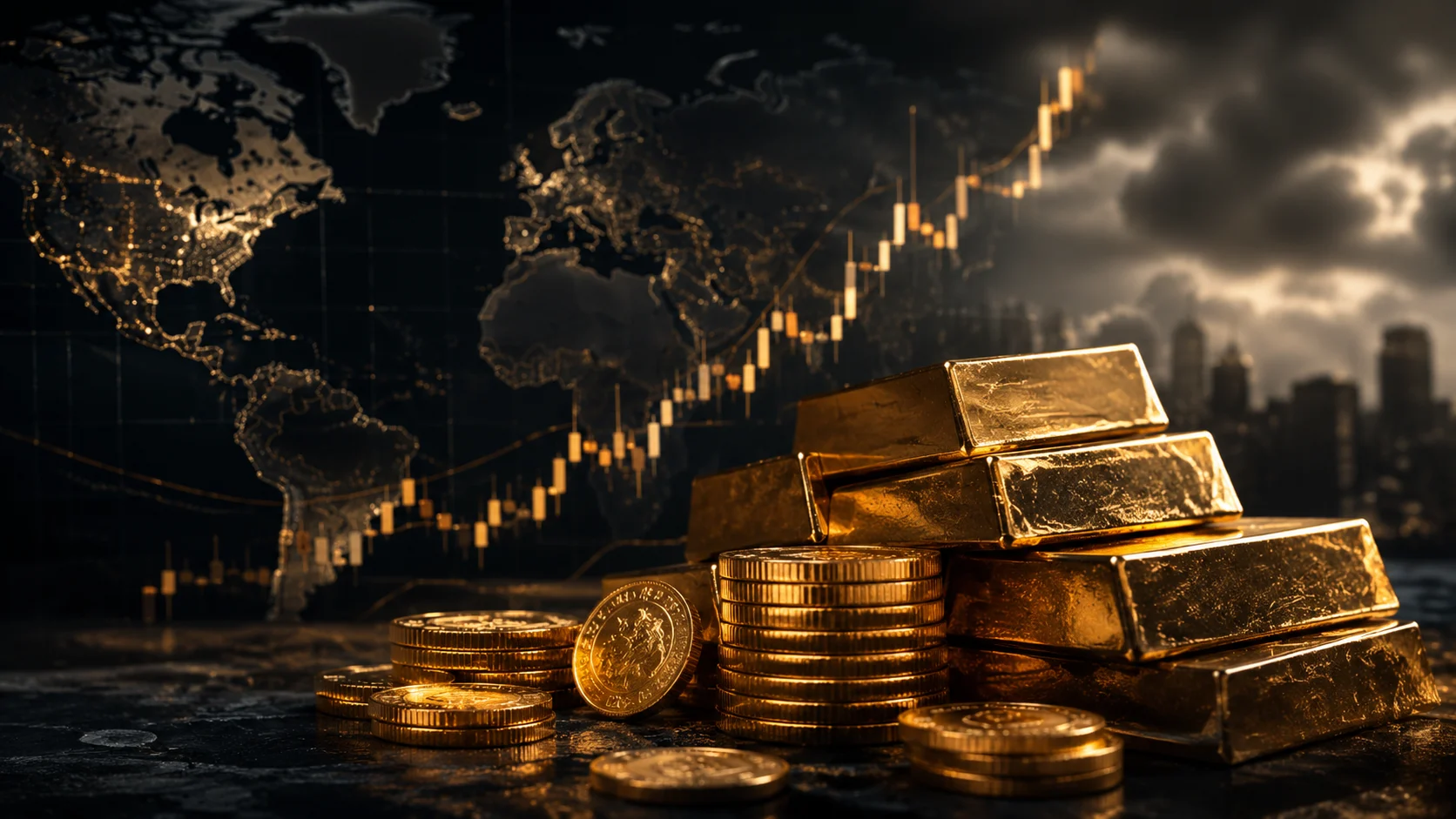
The latest climb in global gold prices feels less like a random market move and more like a signal from investors who are watching the world with one eyebrow raised. When geopolitical tension grows, inflation fears linger, central banks stay cautious, and risk assets start looking shaky, gold usually finds its way back into the spotlight. That is exactly why the current rise in gold has become a major story across global markets, especially for traders who see the metal as more than just a shiny commodity. It is a defensive asset, a psychological comfort zone, and a financial mirror reflecting how uncertain the world feels right now. For Market Vortixel readers, this moment matters because gold is not only moving on charts, but also telling a deeper story about trust, fear, and capital flow in a fragile economy.
Why Gold Is Rising When Global Risk Gets Louder
Gold has always had a special place in financial markets because it behaves differently from stocks, bonds, and most currencies when the mood turns tense. When investors feel confident, money often flows toward growth assets such as equities, technology stocks, crypto, and emerging-market plays. However, when the atmosphere changes and headlines begin to focus on conflict, sanctions, trade pressure, inflation, or central bank uncertainty, many investors start moving part of their capital into assets considered safer. This is where global gold prices usually gain momentum, because gold does not depend on the earnings report of a company or the fiscal discipline of a single government. It carries a reputation built over centuries, which makes it attractive whenever the modern financial system looks unstable.
The current rise in gold is closely tied to the way markets react to global tension, not just to one isolated headline. Investors are not simply buying gold because one country is in conflict or because one economic report looks weak. They are reacting to a cluster of risks that create a heavy atmosphere across the market, from geopolitical pressure and currency volatility to questions about interest rates and future inflation. In that kind of environment, gold becomes a strategic hedge rather than a speculative bet. This is why the movement in gold prices feels broader and more emotional than a regular commodity rally.
The market also understands that uncertainty does not need to explode into a full crisis before gold benefits from it. Sometimes, the possibility of escalation is enough to make institutional investors rebalance their portfolios. Large funds, central banks, and long-term investors often move early because they are not only reacting to what is happening today, but also preparing for what could happen next month or next quarter. That forward-looking behavior gives gold extra support when the global backdrop feels unstable. In simple terms, the metal rises because investors do not want to wait until panic becomes obvious.
Global Gold Prices and the Safe-Haven Mindset
The phrase safe haven gets used a lot in market commentary, but in the case of global gold prices, it still carries real meaning. A safe-haven asset is something investors turn to when they believe other parts of the market could become too risky, too expensive, or too unpredictable. Gold fits that role because it is widely recognized, deeply liquid, and not directly tied to the credit risk of a single issuer. Unlike a stock, gold does not need quarterly profits to justify its existence. Unlike a currency, gold cannot be printed endlessly by a central bank.
This safe-haven mindset becomes stronger during periods of geopolitical tension because markets hate uncertainty more than they hate bad news itself. A bad report can be priced in, but an unclear global situation is harder to measure. Traders can build models for interest rates, earnings, and inflation, but it is much harder to model sudden conflict escalation, supply disruption, or diplomatic breakdown. That gap between what investors can calculate and what they cannot control often creates demand for gold. As a result, rising gold demand becomes a visible sign that market participants are protecting themselves from unpredictable outcomes.
For younger investors who mostly entered markets through crypto, tech stocks, or mobile trading apps, gold may feel old-school at first glance. Yet the recent movement shows why traditional assets still matter when markets enter defensive mode. Gold does not trend because it is flashy, viral, or built on hype. It trends because capital seeks stability when the world starts feeling messy. That is why the safe-haven narrative remains powerful even in an era dominated by artificial intelligence stocks, digital assets, and fast-moving risk sentiment.
How Geopolitical Tension Shapes Gold Demand
Geopolitical tension can affect gold through several channels at once, and that is what makes the current rally worth watching closely. First, tension can trigger fear in equity markets, especially if investors believe global trade, energy routes, or corporate supply chains may be affected. Second, tension can increase demand for hard assets that are not easily disrupted by political decisions or banking stress. Third, it can push central banks and sovereign buyers to diversify reserves away from overdependence on certain currencies. These forces can work together and create stronger support for global gold prices than a normal short-term news cycle would suggest.
Gold also benefits when geopolitical risk overlaps with economic uncertainty, because investors then face two layers of pressure at the same time. If global growth slows while political risks rise, the market may become less willing to take aggressive positions in risky assets. If inflation remains sticky while central banks hesitate to cut rates quickly, the mood can become even more complicated. In that situation, gold becomes attractive because it offers exposure to an asset that is not directly tied to corporate margins or consumer demand. The more complex the macro story becomes, the more investors look for something simple, durable, and globally recognized.
Another important point is that geopolitical tension does not affect every commodity the same way. Oil may rise if supply routes are threatened, but it can also fall if investors fear weaker global demand. Industrial metals such as copper may move based on manufacturing expectations and infrastructure activity. Gold behaves differently because its value is driven heavily by confidence, fear, real yields, and monetary expectations. That makes gold one of the clearest emotional barometers in the commodities market when the global mood becomes defensive.
The Emotional Side of Gold Trading
Gold may be traded through sophisticated financial products, but its movement still carries a very human emotional layer. When fear rises, people want something that feels permanent, portable, and historically trusted. That emotional connection is one reason gold often gains attention beyond professional trading desks. Retail investors, long-term savers, and even people who do not follow markets daily can understand why gold becomes attractive during tense periods. This shared psychology helps explain why gold market trends can move quickly when uncertainty dominates the conversation.
The emotional side of gold also explains why price action can become self-reinforcing. When gold breaks higher, more investors notice the move and start asking what risk the market is pricing in. That attention can bring additional demand from traders who do not want to miss the momentum. At the same time, defensive investors may increase allocations because the rally confirms their concern that something deeper is happening in the market. This combination of fear, validation, and momentum can keep gold supported even when the initial trigger begins to fade.
The Role of Central Banks in Gold Momentum
Central banks play a major role in the gold story, especially when global tension and monetary uncertainty rise together. Many central banks hold gold as part of their reserves because it provides diversification and does not carry the same counterparty risk as foreign debt instruments. When reserve managers increase gold holdings, the market pays attention because these are not casual short-term buyers. They often move with long-term strategic goals, and their demand can create a powerful foundation under global gold prices. This is one reason the gold rally can feel stronger than a short-lived speculative spike.
Central bank demand also tells investors something about trust in the global monetary system. When official institutions buy more gold, the move can be interpreted as a desire to diversify away from concentration in major currencies. This does not mean currencies are suddenly collapsing, but it does show that policymakers want flexibility in a world where sanctions, debt levels, and political alignment matter more than before. Gold becomes a neutral reserve asset in that environment. It is not controlled by one government, and that neutrality becomes valuable when international relations feel more fragmented.
For market watchers, central bank buying is important because it changes the tone of the rally. If gold is only rising because short-term traders are chasing momentum, the move may be more fragile. But when central banks, institutional investors, and safe-haven buyers all support the same direction, the market can build a more durable trend. That does not mean gold moves upward every day without correction. It means the underlying demand story becomes deeper and harder to dismiss.
Interest Rates, the Dollar, and Gold’s Next Move
Interest rates remain one of the most important variables behind global gold prices, because gold does not pay interest or dividends. When real yields rise, some investors prefer interest-bearing assets because they can earn income while holding them. When real yields fall or markets expect central banks to become less aggressive, gold tends to look more attractive. This relationship is not always perfectly clean, but it remains a key part of the gold equation. Investors are watching central bank signals closely because any shift in rate expectations can quickly affect gold sentiment.
The US dollar is another major factor because gold is commonly priced in dollars across global markets. A stronger dollar can make gold more expensive for buyers using other currencies, which may pressure demand. A weaker dollar can make gold more accessible and may support prices, especially when investors are already nervous about global risks. However, in extreme uncertainty, gold and the dollar can sometimes rise together because both are treated as defensive assets. That kind of movement shows how complicated the current macro environment has become.
The tension between interest rates and safe-haven demand is one reason gold analysis requires more than just watching one chart. If yields rise sharply, gold could face pressure even if geopolitical risks remain high. If yields ease while tension stays elevated, gold may find stronger room to climb. If the dollar weakens at the same time, the rally could gain even more attention from global investors. This layered setup makes gold price analysis especially important for anyone tracking commodities, currencies, and risk sentiment together.
Why Real Yields Matter More Than Headlines
Headlines can spark a move, but real yields often decide whether the move has staying power. Real yields reflect the return investors can get after adjusting for inflation, and that matters because gold competes with other stores of value. When real returns on bonds look attractive, some investors may feel less need to hold gold. When real returns look weaker or uncertain, gold becomes more compelling as a defensive allocation. This is why the strongest gold rallies often happen when fear and lower real-rate expectations appear at the same time.
Still, gold does not need perfect conditions to remain relevant. Even when yields are not especially low, geopolitical tension can keep safe-haven demand alive. Investors may accept the opportunity cost of holding gold if they believe the protection is worth it. In that sense, gold is not always about maximizing income. Sometimes, it is about reducing exposure to scenarios that could damage a portfolio very quickly.
What Rising Gold Means for Investors
For investors, the rise in global gold prices is not only a headline but also a reminder to understand portfolio balance. Gold can act as a hedge during uncertain periods, but it is not a magic asset that removes all risk. Its price can still swing sharply, especially when the dollar moves, yields change, or traders take profit after a fast rally. That means investors need to think about gold in context rather than treating it as a guaranteed win. The key question is not whether gold is good or bad, but what role it should play in a wider strategy.
Long-term investors often use gold as a stabilizer, especially when their portfolios are heavily exposed to equities or high-risk assets. Traders may use it to capture momentum around geopolitical events, rate decisions, or inflation reports. Meanwhile, some conservative investors prefer physical gold or gold-backed instruments because they want exposure that feels more tangible than a stock ticker. Each approach has its own strengths and weaknesses. That is why understanding personal risk tolerance matters as much as understanding the market narrative.
The current rally also gives investors a chance to review how they respond emotionally to uncertainty. Many people buy safe-haven assets only after prices have already surged, which can create poor timing. Others ignore defensive assets during calm periods and then feel unprepared when volatility returns. A smarter approach is to follow market insights consistently and build a framework before panic arrives. In that sense, gold is not just an investment story but also a test of discipline.
Gold, Stocks, Crypto, and the Risk-Off Rotation
One of the most interesting parts of this gold rally is how it fits into the broader relationship between defensive assets and risk assets. When the market feels confident, stocks and crypto often attract attention because they offer stronger growth potential. When the market becomes cautious, some money rotates away from these assets and into areas that appear more stable. This does not mean investors abandon stocks or crypto completely. It means they adjust exposure based on the level of risk they believe the world is carrying.
Gold can rise even when stock markets remain relatively strong, especially if investors are hedging rather than fully retreating. A portfolio manager might keep exposure to technology stocks while also adding gold to reduce downside risk. A crypto trader might watch gold because it reveals whether global investors are becoming more defensive. A currency trader might compare gold with the dollar to understand where fear-based capital is flowing. This cross-market connection makes global gold prices useful even for people who do not directly trade metals.
Crypto adds another layer to the story because Bitcoin is often described by supporters as digital gold. However, during major risk-off periods, Bitcoin and gold do not always behave the same way. Gold has a much longer history as a defensive asset, while crypto still trades partly like a high-volatility technology asset. That difference becomes clear when global tension rises and investors become more selective. For now, gold remains the classic safe-haven benchmark that markets watch when uncertainty becomes serious.
Trend Analysis: Is the Gold Rally Sustainable?
The sustainability of the gold rally depends on whether the forces behind it remain active. If geopolitical tension eases, inflation cools, real yields rise, and investor confidence returns strongly, gold could lose some momentum. However, if uncertainty remains elevated and central banks continue to sound cautious, the metal may stay supported. The key is that global gold prices are currently being lifted by multiple themes rather than one simple trigger. That makes the trend more resilient, but it also means traders must watch several indicators at the same time.
Technical momentum can also influence the next phase of the move. When gold trades near important psychological levels, headlines can become louder and retail interest can increase. Breakouts may attract momentum traders, while sharp pullbacks may bring buyers who missed the earlier move. This creates a push-and-pull dynamic where gold can remain volatile even within a broader upward trend. Investors should not confuse volatility with weakness, but they also should not assume every dip is automatically a buying opportunity.
From a macro perspective, the bigger question is whether the world is entering a longer phase of structural uncertainty. If geopolitical blocs remain divided, debt concerns grow, and monetary policy becomes harder to predict, gold may continue to enjoy strategic demand. If global cooperation improves and inflation becomes less threatening, some defensive demand could fade. Markets rarely move in straight lines, and gold is no exception. Still, the current backdrop suggests the metal will remain a major conversation in global finance.
Signals Traders Should Watch Next
Traders watching gold should pay attention to central bank communication, real yield movement, dollar strength, geopolitical headlines, and investor flows into gold-related products. These signals can help explain whether the rally is being driven by deep demand or short-term speculation. It is also important to observe how gold reacts to good news, because strong assets often hold up even when the immediate fear narrative softens. If gold remains firm during calmer sessions, that may suggest underlying demand is still present. If it falls quickly after tension cools, the rally may be more headline-dependent than it first appeared.
Another useful signal is how gold behaves compared with other commodities. If oil, copper, and agricultural commodities are moving mainly on supply-demand fundamentals while gold rises on fear, the market is telling a specific story. It is showing that investors are not just betting on commodity inflation but seeking protection from uncertainty. This distinction matters because not every commodity rally has the same meaning. Gold’s rise often carries a deeper message about confidence in the global system.
Impact on Emerging Markets and Everyday Buyers
The rise in global gold prices also affects emerging markets and everyday buyers in ways that go beyond trading screens. In many countries, gold is not only an investment but also part of culture, savings behavior, jewelry demand, and household wealth planning. When prices rise, consumers may delay purchases or shift toward smaller quantities. At the same time, people who already own gold may feel more financially secure because the value of their holdings increases. This creates a mixed impact depending on whether someone is buying, selling, saving, or investing.
Emerging-market currencies can also shape the local experience of gold prices. Even if international gold prices rise moderately, a weaker local currency can make domestic gold much more expensive. This matters for households, jewelers, importers, and investors who track gold in their own currency rather than in US dollars. In countries where gold is a popular savings asset, rising prices can influence consumer behavior and financial planning. That is why global gold movements often become local economic stories very quickly.
For businesses, higher gold prices can affect jewelry margins, inventory strategy, and customer demand. Retailers may need to adjust pricing more frequently, while manufacturers may face higher input costs. Buyers may become more selective, choosing lighter designs or waiting for corrections before making large purchases. Meanwhile, investors may become more interested in gold-related financial products as a more flexible alternative to physical buying. This shows how a global commodity trend can ripple through real economic behavior.
Why This Gold Rally Matters for Market Vortixel Readers
For readers following global markets, the gold rally is important because it connects several major themes into one clear signal. It reflects geopolitical anxiety, monetary uncertainty, investor psychology, currency movement, and the search for safety. A rise in global gold prices is not just about one metal becoming more expensive. It is about how investors interpret the world and where they choose to place trust when confidence becomes fragile. That makes gold one of the most useful assets to watch during tense global moments.
This story also matters because it reminds investors that markets are never only about numbers. Prices are shaped by emotion, policy, strategy, and the collective mood of millions of participants. Gold rises when people feel the future needs protection, and that feeling can become powerful even before a crisis fully appears. Understanding this emotional layer can help readers interpret market movement with more depth. It can also prevent them from seeing gold as a boring asset when, in reality, it often speaks loudly during important turning points.
Market Vortixel’s broader focus on financial trends makes gold especially relevant because it sits at the intersection of commodities, macroeconomics, and investor behavior. A single move in gold can reveal how traders view inflation, conflict, central banks, and global risk appetite. That is why readers tracking market insight analysis should not ignore gold even if they mainly follow stocks or digital assets. The metal may move quietly for long periods, but when it wakes up, the message is often worth reading carefully. Right now, that message is clear enough to demand attention.
Conclusion: Gold Rises Because Uncertainty Has Value
The rise in global gold prices shows how deeply uncertainty can shape financial behavior. Investors are not only buying a commodity; they are buying protection, flexibility, and a sense of stability in a world that feels increasingly unpredictable. Geopolitical tension, central bank strategy, interest-rate expectations, and currency movement are all feeding into the same narrative. Gold is benefiting because it remains one of the few assets that can carry both emotional trust and financial liquidity at the same time. In a market full of noise, that combination still matters.
Looking ahead, gold’s direction will depend on whether global tension cools or becomes a longer-term feature of the market landscape. If fear fades quickly and economic confidence returns, prices may face correction as investors rotate back into riskier assets. If uncertainty stays elevated, the metal could remain supported by safe-haven flows and strategic buying. Either way, gold has already reminded the market why it never really disappears from serious financial conversations. When the world feels unstable, global gold prices rise because uncertainty itself becomes valuable.