
Oil Market Rally Puts Global Markets on Edge
 Vortixel
12 minutes read
Vortixel
12 minutes read
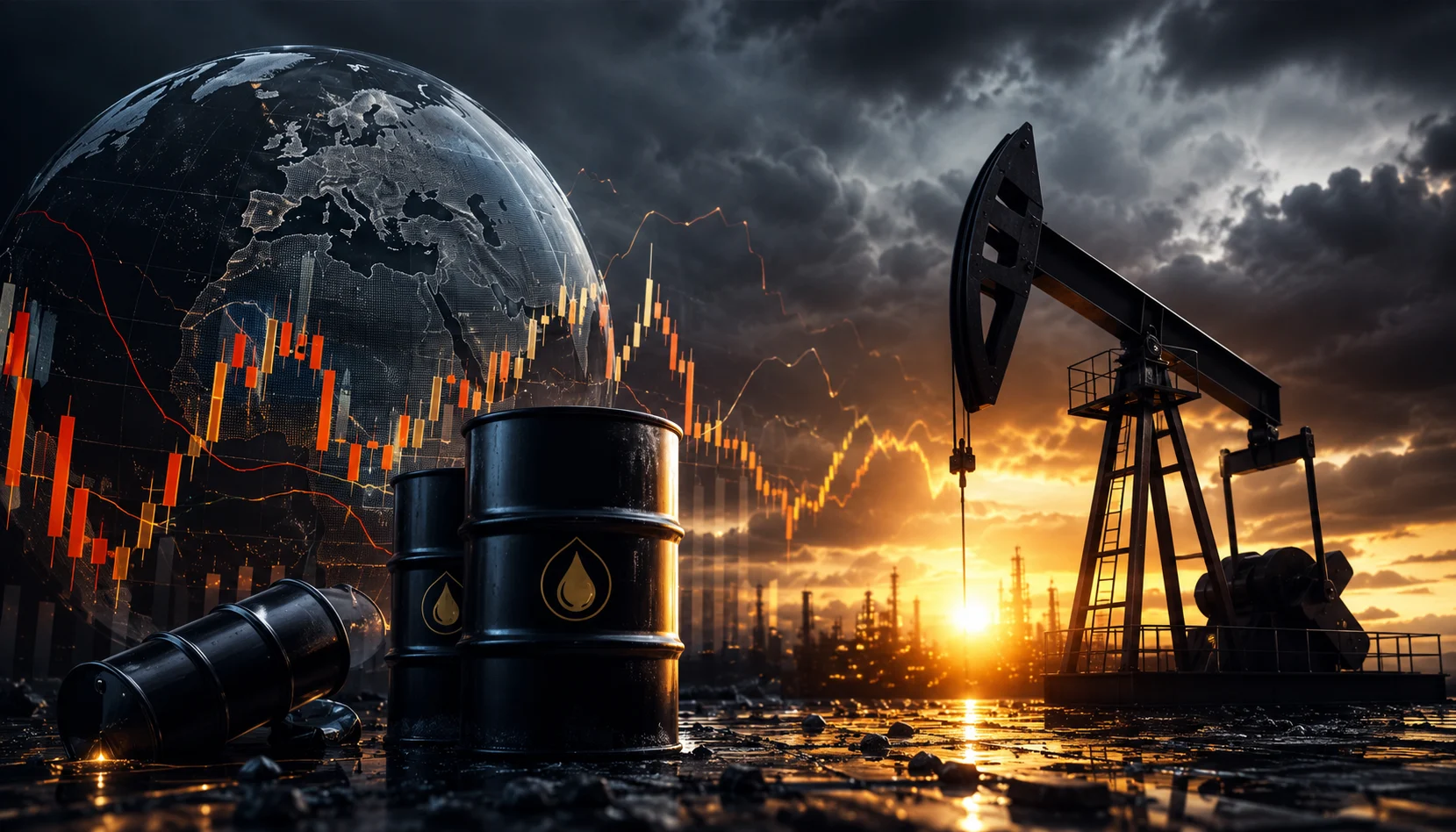
Oil market rally has become the kind of phrase investors do not just read on a market terminal anymore; they feel it in airline stocks, shipping costs, bond yields, inflation expectations, and even the mood of global consumers. When crude prices climb sharply, the story rarely stays inside the energy sector because oil still moves through the global economy like a hidden tax on almost everything. This latest surge has arrived at a moment when markets were already trying to balance stubborn inflation, fragile geopolitical signals, high borrowing costs, and stretched valuations in major stock indexes. That mix makes the current move in crude feel bigger than a normal commodity bounce, because traders are not only asking how high oil can go, but how much pressure the broader market can absorb before confidence starts cracking. For Market Vortixel readers, the key point is simple: rising oil prices can quickly turn a calm trading week into a stress test for global risk appetite.
The market reaction shows how connected modern finance has become, even when investors like to separate assets into neat boxes such as stocks, bonds, crypto, and commodities. A jump in crude can lift energy shares for a while, but it can also drag down transportation companies, manufacturers, consumer stocks, and interest-rate-sensitive tech names. Investors who were comfortable buying risk when inflation looked softer may suddenly become defensive when oil brings back the fear of higher input costs. That shift can pressure global equities because expensive energy often squeezes corporate margins and makes central banks more cautious about cutting rates. In other words, the current oil market rally is not only about barrels, tankers, and refineries; it is about whether the global market can keep believing in a soft landing while energy costs are moving in the wrong direction.
Why the Oil Market Rally Matters Now
The timing of this oil market rally matters because investors have been building a lot of hope into financial markets. Many portfolios are positioned around the idea that inflation will gradually cool, central banks will eventually gain room to ease policy, and corporate earnings will stay strong enough to justify elevated stock prices. Higher oil challenges all three parts of that story at once, which is why even a commodity move can create pressure across global markets. If energy becomes more expensive, headline inflation can heat up again, transportation costs can rise, and businesses may have to choose between raising prices or accepting thinner margins. That is why crude oil is often treated as both a market signal and a macroeconomic warning light, especially when the price move is tied to supply risk rather than healthy demand alone.
Oil is also different from many other commodities because it sits directly inside daily life and corporate planning. A tech company may not buy crude oil directly in the way an airline or petrochemical producer does, but it still depends on logistics, electricity, travel, and consumer spending power. A retailer may feel the pain when fuel costs make shipping more expensive and shoppers become more cautious at the same time. A central bank may not target oil prices directly, but it has to care when energy pushes inflation expectations higher and makes households feel poorer. This is why a strong oil move can travel from the futures market into stock indexes, currency markets, bond yields, and consumer sentiment faster than many investors expect.
Global Markets Feel the Pressure First
Global markets tend to dislike uncertainty more than bad news itself, and the current oil move is loaded with uncertainty. Investors can model demand growth, refinery capacity, and inventory levels, but geopolitical disruption is much harder to price because it can change overnight. When oil rises because supply routes look vulnerable, traders do not simply adjust spreadsheets; they cut exposure, hedge portfolios, and move toward safer assets. That defensive turn can make stock markets wobble even if corporate earnings still look decent on paper. The result is a classic risk-off mood, where investors stop asking how much they can gain and start asking what could go wrong next.
The pressure often appears first in sectors with obvious energy exposure, but it rarely stops there. Airlines, cruise operators, delivery firms, automakers, industrial manufacturers, and chemical companies can all face higher operating costs when oil stays elevated. Consumer-focused companies may also feel pressure because higher gasoline and utility costs can reduce discretionary spending. Growth stocks can come under stress if rising energy feeds inflation fears and keeps bond yields higher for longer. Even crypto can feel the impact because when macro anxiety rises, speculative assets often lose some of the liquidity and confidence that helped them climb.
The Inflation Problem Comes Back Into Focus
For the last several years, inflation has been the main character in almost every market story, and oil has a way of pulling that character back onto the stage. When crude prices rise, the immediate effect is visible at the pump, but the second-round effects can be more complicated. Higher diesel costs can increase freight prices, higher jet fuel can pressure travel costs, and higher petrochemical feedstock prices can move into packaging, plastics, and consumer goods. These effects do not always show up instantly, but markets price risk before households see the full bill. That is why investors react quickly when oil spikes, especially in an environment where inflation has not fully returned to a comfortable zone.
The central bank angle is just as important as the consumer angle. If inflation expectations rise because energy prices keep climbing, policymakers may become less willing to signal rate cuts or easier financial conditions. That matters for equities because lower rates often support higher valuations, especially in technology and other long-duration growth sectors. If oil makes the inflation path look messy again, the market may have to rethink how much support it can expect from monetary policy. This is one reason the oil market rally can pressure stocks even when energy companies themselves are benefiting from stronger crude prices.
Stocks, Bonds, and Crypto React Differently
Stocks often react to rising oil through the lens of earnings and valuation. Energy producers can enjoy stronger revenue when crude rises, but companies that consume a lot of fuel may face immediate cost pressure. Broader indexes can struggle if investors believe higher oil will slow growth, raise inflation, or keep interest rates higher. This creates a split market where energy names may look strong while consumer, transport, and growth-heavy sectors look more vulnerable. For traders, the challenge is not simply deciding whether oil is bullish or bearish; it is understanding which parts of the market can pass through higher costs and which parts cannot.
Bonds usually react through inflation expectations and growth fears, which can create confusing moves. If investors believe oil will push inflation higher, yields may rise because bond buyers demand more compensation. If investors believe high oil will slow the economy, safe-haven demand may pull some yields lower instead. Sometimes both forces appear in the same session, creating volatile swings that make the equity market even more nervous. This bond-market uncertainty matters because yields influence everything from mortgage rates to corporate borrowing costs and the valuation of future earnings.
Crypto sits in a different lane, but it is not immune to macro stress. Bitcoin and major altcoins are often marketed as alternatives to the traditional system, yet they still trade inside a global liquidity environment shaped by rates, risk appetite, and dollar strength. When oil shocks push investors toward caution, speculative assets can face selling pressure because traders reduce leverage and protect cash. Crypto may later attract buyers looking for a hedge against currency debasement or geopolitical risk, but the first reaction during a broad risk-off move can still be rough. That makes the oil story relevant even for digital asset investors who do not usually follow the commodities market closely.
Geopolitics Turns Crude Into a Market Stress Test
Oil markets are never purely economic because the most important supply regions are deeply tied to geopolitics. When conflict risk rises near major shipping routes or key producing areas, traders quickly price in the possibility of disruption. That risk premium can push prices higher even before physical shortages become obvious. The market does not need every barrel to disappear; it only needs enough uncertainty to make buyers nervous and sellers cautious. This is why headlines around shipping lanes, sanctions, strategic reserves, and diplomatic talks can move crude prices with unusual force.
The problem for global investors is that geopolitical oil shocks are difficult to hedge perfectly. A portfolio may own energy stocks, but that does not fully protect against weaker consumer spending, lower airline margins, or higher bond volatility. A company may have fuel hedges, but those hedges can expire or fail to cover the full operational impact. Governments may have strategic reserves, but markets know those reserves are not a permanent solution to prolonged supply stress. This creates an environment where the oil market rally becomes a test of how resilient the global economy really is when a key input cost rises fast.
Corporate Margins Could Face a Real Squeeze
One of the biggest market risks from higher oil is the impact on corporate margins. Companies can sometimes raise prices to protect profits, but that strategy becomes harder when consumers are already sensitive to inflation. If businesses absorb higher fuel and transport costs, earnings may weaken and analysts may cut forecasts. If they pass those costs on to customers, inflation may become stickier and demand may slow. Either path can make equity investors less comfortable paying premium valuations, especially for companies that were priced for smooth growth.
The squeeze can be especially sharp in industries where fuel is not just another expense but a core operating cost. Airlines, logistics firms, shipping companies, delivery platforms, and heavy manufacturers can see profitability change quickly when crude and refined products rise. Retailers may also feel pressure because shipping, packaging, and inventory movement all become more expensive. Even food companies can be affected as fuel costs influence farming, processing, refrigeration, and distribution. This is why oil strength can show up later in earnings calls, guidance updates, and profit warnings, long after the first price spike gets attention.
Consumers Become the Quiet Risk
Market discussions often focus on traders, central banks, and corporations, but the consumer is the quiet risk in every oil shock. When fuel prices rise, households feel the impact in a way that is immediate and emotional. People may not track Brent crude every day, but they notice when filling the tank becomes more expensive or when travel costs start creeping higher. That can change spending behavior, especially for lower- and middle-income households that have less room in their budgets. A strong consumer can absorb a lot of market stress, but a tired consumer can turn an oil rally into a broader growth problem.
This is where the market story becomes more human than technical. Higher oil prices can affect weekend trips, grocery bills, delivery fees, airline tickets, and the confidence people feel when making bigger purchases. If consumers pull back, companies that depend on discretionary spending may see slower sales. If sales slow while costs rise, margins face a double hit that investors do not like. That feedback loop is one reason the current oil market rally deserves attention beyond the energy desk.
What Investors Should Watch Next
The first thing investors should watch is whether oil prices remain elevated or simply spike and fade. A short-term jump can create volatility, but a sustained move above key levels can reshape inflation forecasts, earnings expectations, and central bank messaging. The second thing to watch is inventory data because falling stockpiles can confirm that supply is tightening beyond headline risk. The third factor is shipping activity, since disruptions around major routes can turn a price rally into a physical market problem. Together, these signals can help investors judge whether the oil move is a temporary shock or the beginning of a more durable market regime.
Investors should also watch how different sectors react instead of focusing only on headline indexes. If energy stocks rise while transport, retail, and industrial names weaken, the market may be pricing a margin squeeze. If bond yields climb at the same time, inflation fear may be gaining control of the narrative. If defensive sectors outperform and crypto weakens, risk appetite may be fading more broadly. These cross-market signals often reveal more than a single closing number on the S&P 500, Nasdaq, or any global benchmark.
The Trend Impact: A Tougher Market Playbook
The bigger trend is that markets are entering a phase where investors may need to respect commodity risk more than they did during the easy-liquidity years. For a long time, growth stocks, artificial intelligence themes, and crypto cycles dominated market conversation. Those themes still matter, but oil has the power to interrupt them because it touches inflation, profit margins, and consumer psychology at the same time. When crude rises for geopolitical reasons, the market playbook becomes tougher because fundamentals and headlines can collide without warning. That does not mean investors must panic, but it does mean passive optimism becomes less reliable.
This environment rewards discipline, diversification, and a clearer understanding of exposure. Investors who only look at price charts may miss how rising oil changes the earnings outlook for companies they own. Traders who only focus on central bank speeches may underestimate how energy can force policymakers to stay cautious. Crypto investors who only follow blockchain-specific narratives may ignore the liquidity shifts that come from broader macro stress. The smarter approach is to treat the oil market rally as a cross-asset signal, not just a commodity headline.
Practical Insight for Market Vortixel Readers
For practical positioning, the first step is to separate short-term noise from structural risk. Oil can move sharply on headlines, but the real market impact depends on whether higher prices persist long enough to affect inflation data, corporate guidance, and consumer behavior. Investors may want to review which holdings benefit from stronger energy prices and which holdings are exposed to higher fuel, freight, or input costs. It is also worth watching companies with strong pricing power because they are better positioned when costs rise. In a market shaped by expensive energy, balance-sheet strength and margin resilience become more valuable than hype alone.
The second step is to avoid thinking about oil in isolation. A crude rally combined with rising bond yields is more dangerous for growth stocks than a crude rally that happens while yields are stable. A crude rally paired with a stronger dollar can pressure emerging markets and commodities importers. A crude rally that comes with falling consumer confidence can become a warning sign for retailers, travel companies, and discretionary spending names. The best market read comes from connecting these signals instead of reacting to one chart at a time.
Conclusion: Oil Is Back at the Center
The latest oil market rally is a reminder that crude remains one of the most powerful forces in global finance. It can lift energy producers, pressure consumer-facing companies, complicate inflation trends, unsettle bond markets, and cool enthusiasm for risk assets. The move matters because it arrives when markets are already sensitive to interest rates, earnings expectations, and geopolitical uncertainty. If oil keeps rising, investors may have to rethink the easy narrative of steady growth, softer inflation, and smoother policy support. For now, the message is clear: when oil strengthens, global markets do not just watch from the sidelines; they start recalculating everything.