
Oil Prices Near $100 Shake Global Markets
 Vortixel
13 minutes read
Vortixel
13 minutes read
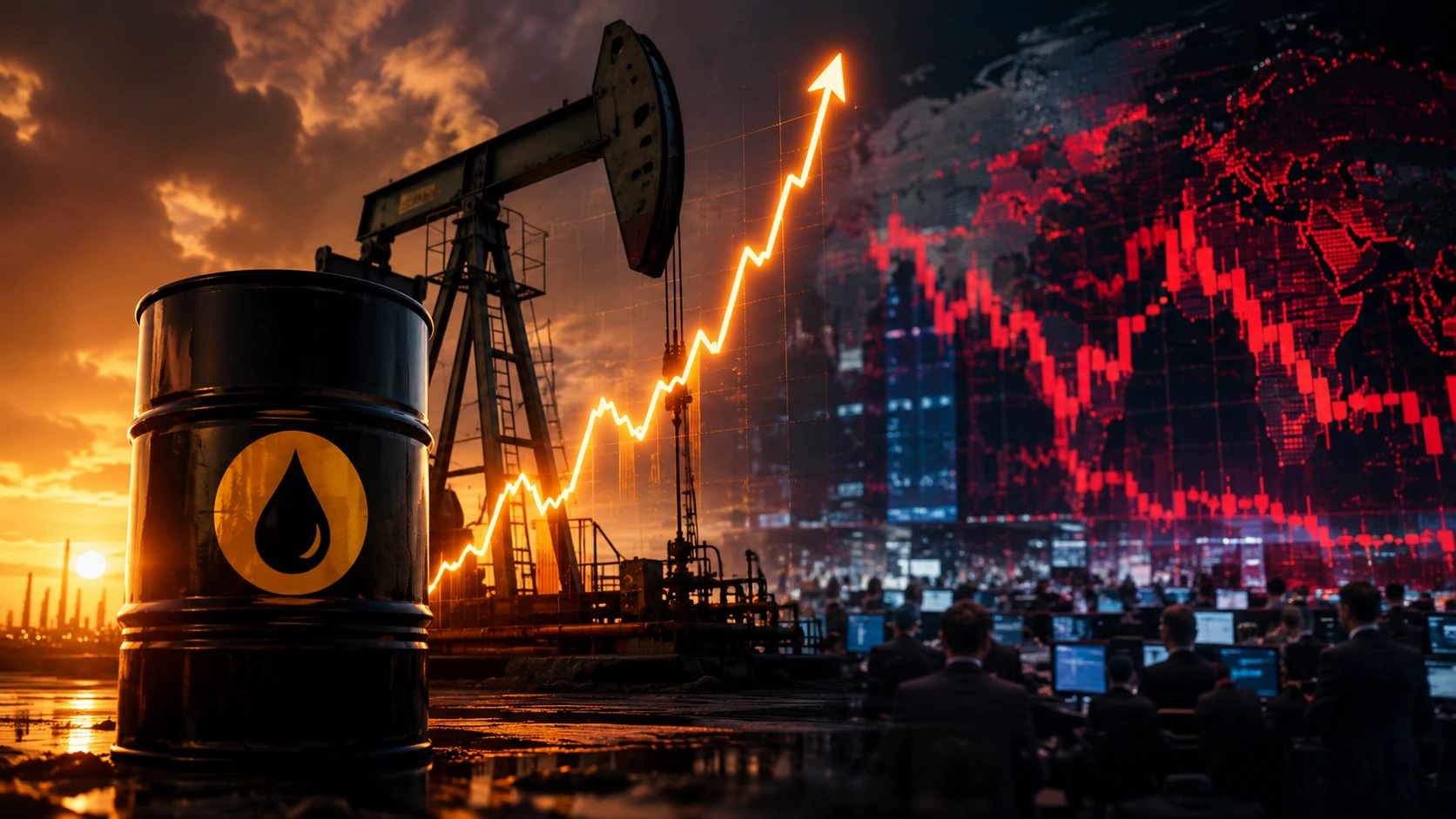
Oil prices near $100 are suddenly back at the center of global market anxiety, and the mood across trading desks feels very different from the easy risk-on tone that carried stocks earlier this year. Brent crude has climbed into the high-$90s, West Texas Intermediate is not far behind, and investors are being forced to price in a fresh energy shock at a time when equities were already stretched by high valuations, strong AI enthusiasm, and stubborn interest-rate expectations. The move matters because oil is not just another commodity on a screen; it is a live input for transportation, manufacturing, logistics, inflation, consumer confidence, and corporate margins. When crude starts moving fast toward triple digits, the entire market conversation changes from growth and earnings to costs, policy risk, and defensive positioning. That is why oil prices near $100 have become one of the biggest signals for traders watching the next phase of global volatility.
Why Oil Prices Near $100 Hit Markets So Hard
The reason oil can shake global markets so quickly is simple: it touches almost everything. Higher crude prices raise fuel costs for airlines, shipping companies, trucking fleets, factories, farms, and everyday drivers, which means the pressure can spread from energy markets into nearly every part of the economy. Investors understand that a sudden oil spike can act like an unofficial tax on consumers because more money goes into fuel and utility bills instead of shopping, travel, dining, or discretionary spending. Companies also feel the squeeze when transportation and raw-material costs rise faster than they can pass those costs to customers. That combination can create a messy setup where inflation risk increases while growth expectations weaken, which is exactly the kind of environment stock markets dislike.
This latest surge in crude is especially sensitive because it arrives when global equities have already been trading near elevated levels. U.S. indexes have been supported by strong technology earnings, artificial intelligence optimism, and the belief that the economy can keep expanding without a major inflation comeback. Yet oil near $100 challenges that comfortable story because it gives central banks less room to ease policy and gives investors more reasons to question profit margins. If energy costs stay high, the market may need to rethink earnings forecasts for sectors that depend heavily on cheap fuel and stable supply chains. That is why a move in crude can quickly become a broader story about the stock market, the global economy, and the next direction of risk appetite.
The Geopolitical Risk Premium Is Back
The latest rally in oil is being driven by more than normal supply-and-demand math. Traders are reacting to rising geopolitical risk in the Middle East, where any escalation near major shipping routes can immediately increase fears about disruptions to global energy flows. The market does not need a full shutdown of supply to move sharply; it only needs a credible risk that barrels could become harder, slower, or more expensive to move. That is why oil futures often react before physical shortages appear in the data. In market language, this is the return of the geopolitical risk premium, and it can be powerful when inventories are already being watched closely.
Energy traders are also focused on the possibility that diplomatic progress could stall while military tensions rise. When negotiations look fragile, oil markets tend to price in the worst-case scenario faster than stock investors do, because crude supply chains are highly exposed to ports, chokepoints, tankers, insurance costs, and security risk. Even a temporary rise in shipping uncertainty can push buyers to secure supply earlier, which adds more upward pressure to prices. This is why crude can rise even when the broader demand outlook is not booming. The market is not only buying oil for current consumption; it is also buying protection against a future supply shock.
Global Stocks Start to Lose Their Balance
Global equities are reacting because oil near $100 changes the balance between optimism and risk. In recent weeks, investors have been willing to pay premium prices for companies tied to artificial intelligence, data centers, semiconductors, and cloud infrastructure. That enthusiasm helped major indexes stay resilient even when bond yields and geopolitical headlines created pressure. But energy inflation is harder to ignore because it can reach consumers and businesses faster than many other macro risks. When oil rises sharply, portfolio managers often reduce exposure to cyclical stocks, small-cap companies, and sectors with weak pricing power.
The pressure is not always evenly distributed across the market. Energy producers may benefit from higher crude prices, while airlines, cruise operators, logistics companies, chemical producers, and consumer-facing businesses may come under pressure. Banks can also feel the impact if investors start worrying about slower growth, credit stress, or higher-for-longer interest rates. Technology stocks may hold up better if AI momentum remains strong, but even high-growth shares can become vulnerable when bond yields rise and risk appetite fades. That makes the current market setup more complicated than a simple sell-off, because leadership can rotate quickly while the broader index looks unstable.
Inflation Fears Return at the Worst Time
One of the biggest reasons investors fear an oil spike is its effect on inflation expectations. Central banks have spent years trying to cool price pressures without causing deep economic damage, and energy costs are one of the easiest ways for inflation to flare back up. Gasoline, diesel, jet fuel, and heating costs can move quickly through headline inflation readings, even if core inflation takes longer to react. If households see fuel bills rising again, inflation expectations can become harder to control. That matters because central banks do not only watch current inflation; they also care about whether consumers and businesses believe inflation will stay high.
This creates a difficult situation for monetary policy. If oil prices rise because of supply disruption rather than strong demand, higher interest rates cannot produce more barrels of crude or make shipping lanes safer. However, central banks may still hesitate to cut rates if expensive energy pushes inflation readings higher. That hesitation can pressure stocks because investors often value equities more aggressively when they expect easier policy ahead. When rate-cut hopes fade, high-valuation sectors become more fragile. This is why the oil rally is not only a commodities story; it is also a monetary policy story.
Bond Yields and the Dollar Add More Pressure
Oil near $100 can also push bond markets into a more defensive posture. If traders believe energy costs will keep inflation sticky, Treasury yields can move higher as investors demand more compensation for holding longer-term debt. Rising yields create another headwind for equities because they make future corporate earnings less valuable in today’s terms. They also increase borrowing costs for consumers, companies, and governments. That can slow investment, weaken housing activity, and make debt-heavy business models look less attractive.
The U.S. dollar often becomes part of the same feedback loop. When geopolitical risk rises and rate expectations shift upward, investors may move into the dollar as a defensive asset. A stronger dollar can make commodities priced in dollars more expensive for buyers using other currencies, which can add stress to emerging markets and energy-importing economies. It can also pressure multinational companies because overseas revenue becomes less valuable when converted back into dollars. In a market already dealing with expensive oil, higher yields and a stronger dollar can make the whole risk environment feel tighter.
Asia Shows Resilience, But the Risk Is Real
Asian markets have shown moments of resilience because AI-related optimism remains strong across major technology hubs. Investors continue to see long-term growth potential in semiconductors, servers, data infrastructure, automation, and advanced electronics. This has helped some indexes absorb geopolitical stress better than expected. Still, Asia is also deeply exposed to energy prices because many major economies in the region are large oil importers. If crude stays elevated, the pressure can appear through weaker trade balances, higher consumer prices, and tighter financial conditions.
Japan is a clear example of how energy, currencies, and stocks can become connected. A weaker yen can support exporters, but it also makes imported energy more expensive, which can squeeze households and increase policy tension. If oil rises while the yen weakens, inflation pressure can become more uncomfortable even if domestic demand is not overheating. Taiwan and South Korea face a different version of the same challenge because their technology sectors may benefit from AI demand while their economies remain sensitive to imported fuel costs. This is why investors are watching whether Asia’s AI strength can keep offsetting the drag from expensive energy.
Europe Faces a More Delicate Setup
Europe can be especially sensitive to oil shocks because the region has already spent years adjusting to energy volatility. Higher crude prices can raise transportation and industrial costs at a time when many European economies are trying to regain momentum. If energy inflation returns, it can complicate the outlook for consumers who are still cautious after a long period of high living costs. European manufacturers may also face renewed margin pressure if input costs rise while demand remains uneven. That can make regional stocks more vulnerable when global investors start cutting risk.
The European Central Bank also has to think carefully about the difference between temporary energy spikes and lasting inflation pressure. If oil moves higher for a short period and then falls back, policymakers may look through the shock. But if crude stays near $100 or climbs above it, the inflation story becomes harder to dismiss. Investors then start questioning whether rate cuts can continue as expected or whether policy will need to stay restrictive for longer. That uncertainty can weigh on banks, industrials, consumer stocks, and other sectors tied closely to growth expectations.
The AI Trade Meets an Energy Reality Check
The most interesting market tension right now is the clash between AI optimism and energy anxiety. On one side, investors still believe artificial intelligence can drive a new wave of productivity, corporate spending, and earnings growth. On the other side, oil near $100 reminds the market that the real economy still runs on physical inputs, supply chains, electricity, diesel, and global logistics. Even the AI boom needs massive power infrastructure, cooling systems, hardware shipments, and industrial capacity. That makes energy costs relevant even for the most futuristic parts of the market.
This does not mean the AI trade is over. It means investors may become more selective about which AI-linked companies can handle higher rates, higher energy costs, and more volatile global conditions. Companies with strong cash flow, pricing power, and critical infrastructure exposure may continue to attract capital. Weaker speculative names may struggle if the market becomes less forgiving. In other words, oil near $100 may not kill the growth story, but it can force traders to separate durable leaders from crowded momentum plays.
What Higher Oil Means for Consumers
For consumers, the most visible effect of higher oil prices usually appears at the pump. Gasoline prices can rise quickly when crude moves higher, especially during periods of strong travel demand or tight refinery conditions. That can change household behavior because fuel is not an optional expense for many workers, commuters, and small businesses. When people spend more on transportation, they often pull back on other categories like restaurants, entertainment, apparel, and travel upgrades. This is one reason retail and consumer discretionary stocks can become sensitive to energy spikes.
The psychological effect can be just as important as the actual dollar amount. When consumers see fuel prices rising, they often assume broader inflation is coming back, even if other prices are stable. That can weaken confidence and make households more cautious about big purchases. Businesses may also delay hiring or investment if they worry that energy costs will hurt demand. The result is a slower, more defensive economy, even before official data fully captures the change.
Corporate Margins Could Face a New Test
Corporate margins are one of the key areas to watch if oil remains elevated. Many companies spent the past few years learning how to manage inflation, renegotiate supplier contracts, and protect profitability. However, there is a limit to how much cost pressure can be passed on to customers before demand starts to weaken. If energy costs rise quickly, companies with thin margins may be forced to absorb part of the increase. That can make earnings forecasts look too optimistic, especially for transportation, retail, manufacturing, and industrial firms.
Investors will likely listen closely to management commentary during upcoming earnings calls. The market will want to know whether companies are seeing higher freight costs, weaker consumer demand, or pressure from suppliers. It will also pay attention to whether firms are hedged against energy volatility or exposed to spot-market pricing. Companies that can explain their cost controls clearly may earn a valuation premium. Companies that sound surprised by the oil move may face sharper share-price reactions.
Crypto May Not Escape the Macro Storm
The crypto market is also part of this broader risk conversation. Bitcoin and other digital assets often trade as high-beta risk assets when macro stress rises, even if long-term supporters view them as alternatives to traditional finance. If oil near $100 pushes yields higher and strengthens the dollar, crypto liquidity can become more fragile. Traders may reduce leverage, rotate into cash, or wait for clearer policy signals before adding exposure. That can make the crypto market more volatile even when the energy shock is not directly related to blockchain fundamentals.
At the same time, crypto can attract some safe-haven narratives during geopolitical tension, especially among investors who distrust fiat systems or capital controls. The problem is that this narrative often competes with the reality of liquidity conditions. When markets become stressed, investors frequently sell what they can sell quickly, and crypto is one of the most liquid speculative assets available. That means Bitcoin may not move in a straight line during an oil shock. It can rally on fear one day and fall on liquidity pressure the next.
Practical Insights for Investors Watching This Move
Investors do not need to panic every time oil rises, but they should respect the signal when crude approaches $100. The first practical step is to watch whether the move is driven by temporary headlines or supported by inventory data, shipping risk, and sustained demand. A short spike can reverse quickly if diplomatic news improves or supply fears fade. A sustained move is more serious because it can reshape inflation expectations, earnings forecasts, and central-bank policy. The difference between those two scenarios matters more than the headline price alone.
Portfolio balance also becomes more important in this environment. Investors may want to review exposure to sectors that benefit from higher energy prices and sectors that suffer when fuel costs rise. Energy producers, some commodity-linked assets, and inflation-sensitive hedges can behave differently from airlines, retailers, and highly leveraged growth stocks. Cash flow quality becomes a stronger filter because companies with strong balance sheets can handle volatility better than businesses dependent on cheap financing. This is not about predicting every move perfectly; it is about understanding which parts of a portfolio are vulnerable if the oil shock lasts longer than expected.
Key Market Signals to Watch Next
The next phase of this story depends on a few major signals. The first is whether Brent crude can break above $100 and stay there, because a brief move is less damaging than a sustained period of triple-digit oil. The second is whether bond yields keep rising in response to inflation fears. The third is whether equity weakness spreads beyond energy-sensitive sectors into broader technology and financial leadership. The fourth is whether the dollar continues to strengthen, because that would add pressure to global liquidity and emerging-market assets.
Investors should also watch official inventory reports, refinery utilization, shipping headlines, and central-bank commentary. If inventories keep falling while geopolitical risk remains elevated, oil bulls may stay in control. If supply data improves or diplomatic channels reopen, crude could cool down and give stocks some breathing room. Market reactions to the same headline can also change quickly depending on positioning. When traders are crowded into optimistic bets, even a small negative surprise can create a sharper sell-off than expected.
Conclusion: Oil Is the Market’s New Stress Test
Oil prices near $100 are more than a dramatic commodity headline; they are a stress test for the entire global market system. Expensive crude can pressure consumers, squeeze corporate margins, lift inflation expectations, complicate central-bank decisions, and weaken stock-market confidence. The impact is especially powerful now because investors have been leaning heavily on AI optimism, resilient earnings, and hopes for easier policy. If oil stays elevated, the market may need to shift from a growth-first mindset to a more defensive and selective approach. The next big question is not only whether crude touches $100, but whether global markets can stay steady if it does.