Introduction: Why Stagflation Is Back in the Spotlight
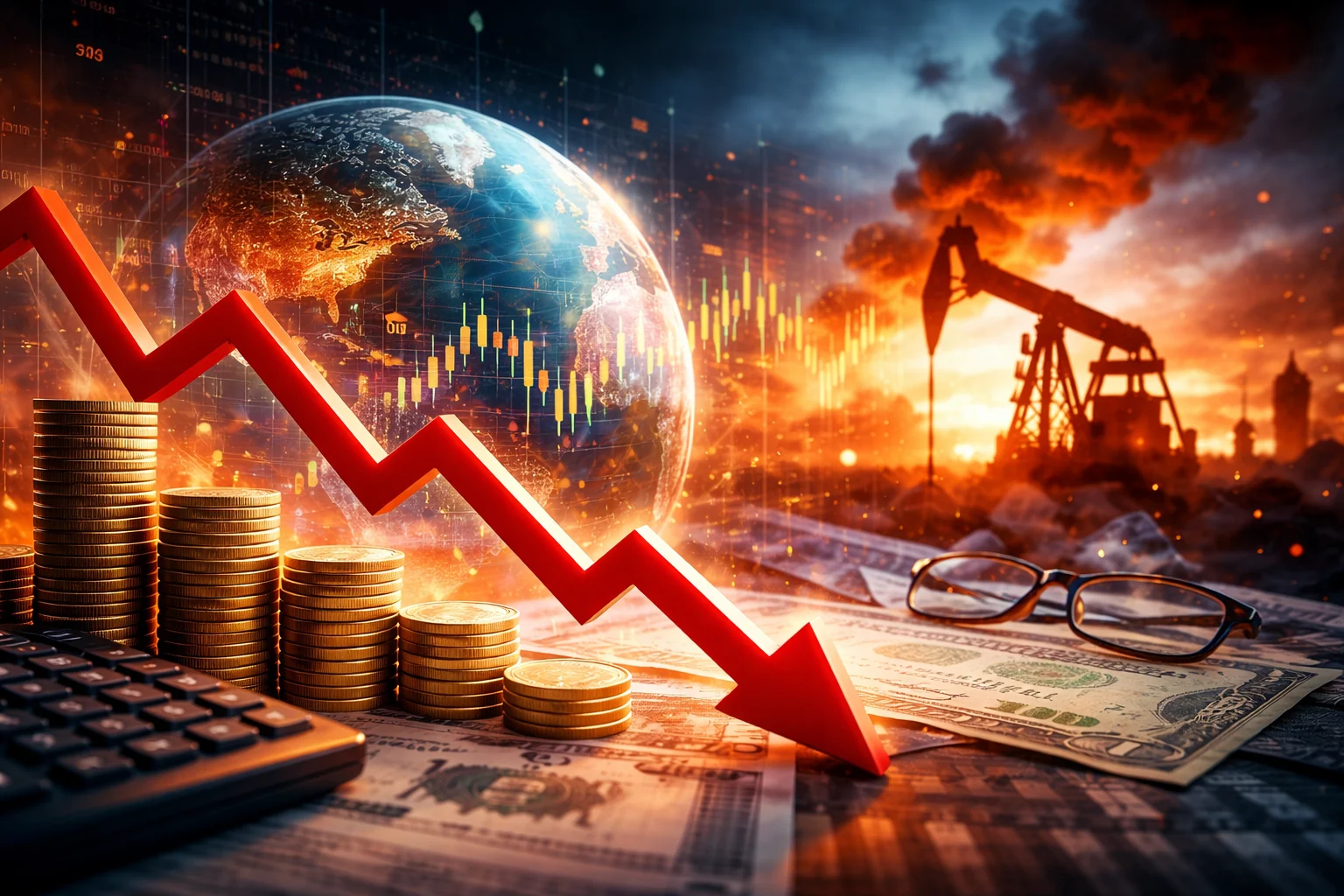
The global economy in 2026 is entering a phase that feels eerily familiar to economists, investors, and policymakers alike. The word stagflation—a term that once defined one of the most difficult economic periods in modern history—is making a strong comeback in headlines and financial discussions. It represents a dangerous combination of high inflation, slow economic growth, and rising unemployment, a trio that challenges traditional policy tools and shakes market confidence across the globe.
Recent developments across geopolitical, financial, and energy sectors have intensified fears that the world may be heading toward another stagflationary cycle. The escalation of geopolitical tensions, particularly in energy-producing regions, has triggered supply shocks that ripple through global markets. At the same time, central banks remain cautious, navigating a narrow path between controlling inflation and supporting economic growth. This balancing act has become increasingly complex, especially as global demand weakens and uncertainty rises.
For younger audiences and digital-native investors, understanding this shift is critical. The economic narrative of 2026 is not just about numbers—it’s about how global instability translates into real-world consequences, from rising living costs to shrinking job opportunities. This article breaks down what stagflation means today, why it matters, and how it could shape the global economy in the months ahead.
What Is Stagflation and Why It Matters Now
At its core, stagflation is an economic anomaly. Traditionally, inflation rises when demand is strong, while economic slowdowns tend to reduce price pressures. However, stagflation defies this logic. It occurs when inflation remains persistently high even as economic growth stalls, creating a situation where both consumers and businesses struggle simultaneously.
In 2026, several indicators suggest that the world could be entering this dangerous territory. Inflation rates remain elevated in many major economies, driven largely by rising energy prices, supply chain disruptions, and ongoing geopolitical conflicts. Meanwhile, economic growth forecasts have been revised downward by major institutions such as the International Monetary Fund (IMF) and the World Bank, reflecting weakening global demand.
The real concern lies in the policy dilemma stagflation creates. Central banks typically raise interest rates to combat inflation, but doing so during a period of weak growth can further suppress economic activity. On the other hand, lowering rates to stimulate growth risks fueling even higher inflation. This “no-win scenario” is what makes stagflation particularly challenging and potentially long-lasting.
Global Triggers Behind the 2026 Stagflation Risk
1. Energy Shock and Oil Price Surge
One of the biggest drivers of the current economic uncertainty is the sharp rise in global energy prices. Oil prices have surged past critical thresholds, fueled by geopolitical tensions in key regions such as the Middle East. Supply disruptions, combined with heightened risk premiums, have pushed energy costs higher across industries.
Energy is a foundational input for almost every sector, from transportation to manufacturing. When oil prices rise, businesses face increased operating costs, which are often passed on to consumers in the form of higher prices. This creates a ripple effect throughout the economy, reinforcing inflationary pressures even as economic activity slows.
2. Geopolitical Tensions and Market Instability
The global geopolitical landscape in 2026 remains highly volatile. Conflicts involving major powers and energy-exporting nations have not only disrupted supply chains but also shaken investor confidence. Financial markets have reacted with increased volatility, as uncertainty drives capital toward safer assets.
This instability has a direct impact on economic growth. Businesses delay investments, consumers cut spending, and global trade flows become less predictable. The result is a slowdown in economic activity, even as external shocks continue to push prices higher.
3. Central Bank Dilemma and Policy Constraints
Central banks around the world are facing one of the toughest policy environments in decades. After aggressively raising interest rates in previous years to combat inflation, many institutions are now hesitant to continue tightening due to slowing economic growth.
However, inflation remains above target levels in several major economies, limiting the ability of central banks to pivot toward more accommodative policies. This policy gridlock increases the risk of stagflation, as neither inflation nor growth is effectively addressed.
4. Weak Global Demand and Trade Slowdown
Another critical factor is the decline in global demand. Consumers are becoming more cautious as living costs rise, while businesses are scaling back expansion plans due to uncertainty. International trade, a key driver of global growth, is also slowing down, further dampening economic momentum.
Emerging markets are particularly vulnerable, as they face the dual challenge of rising import costs and weaker export demand. This creates a feedback loop that reinforces the broader global slowdown.
How Stagflation Impacts Everyday Life
While stagflation is often discussed in macroeconomic terms, its effects are deeply personal and tangible. For individuals and households, the consequences can be severe and long-lasting.
Rising Cost of Living
One of the most immediate impacts is the increase in the cost of living. As prices for essentials such as food, energy, and housing rise, households find it increasingly difficult to maintain their standard of living. Wage growth often fails to keep pace with inflation, leading to a decline in real purchasing power.
Job Market Uncertainty
At the same time, economic stagnation affects the labor market. Companies facing higher costs and weaker demand may reduce hiring or implement layoffs. This creates a challenging environment for job seekers, particularly younger workers entering the workforce.
Investment Challenges
For investors, stagflation presents a complex landscape. Traditional investment strategies may underperform, as both equities and bonds face pressure. Stock markets struggle due to weak earnings growth, while bond yields may remain elevated due to persistent inflation.
Market Reactions: Volatility Becomes the New Normal
Financial markets in 2026 are increasingly reflecting the uncertainty associated with stagflation risks. Equity markets have experienced sharp fluctuations, as investors react to mixed signals from economic data and policy decisions.
Safe-haven assets such as gold and certain currencies have seen increased demand, as investors seek protection against inflation and market volatility. Meanwhile, sectors sensitive to economic cycles, such as technology and consumer discretionary, have faced significant pressure.
The key takeaway is that volatility is becoming the norm, rather than the exception. For modern investors, especially those navigating digital platforms and real-time trading environments, adapting to this volatility is essential.
Lessons from the 1970s: A Historical Perspective
To understand the potential trajectory of stagflation in 2026, it is useful to look back at the 1970s, when the world last experienced a prolonged period of stagflation. During that time, oil shocks, policy missteps, and structural economic changes created a perfect storm of high inflation and low growth.
While the global economy today is fundamentally different, certain parallels are undeniable. Energy shocks, geopolitical tensions, and policy constraints are once again at play. However, modern economies also have advantages, including more sophisticated financial systems and better access to data.
The key lesson from history is that stagflation is not easily resolved. It requires coordinated policy efforts, structural reforms, and, often, time.
What Can Governments and Central Banks Do
Addressing stagflation requires a delicate balance of policies. Governments and central banks must work together to tackle both inflation and growth challenges simultaneously.
Monetary Policy Adjustments
Central banks may need to adopt more flexible approaches, combining targeted rate adjustments with other tools such as liquidity support and forward guidance. The goal is to anchor inflation expectations without severely damaging economic activity.
Fiscal Policy Interventions
Governments can play a critical role through fiscal measures, such as targeted subsidies, infrastructure investments, and support for vulnerable households. These policies can help mitigate the impact of rising costs while supporting economic growth.
Structural Reforms
Long-term solutions involve structural changes, including improving supply chains, investing in renewable energy, and enhancing labor market flexibility. These measures can increase resilience and reduce the likelihood of future stagflation episodes.
Opportunities Hidden in Crisis
Despite the challenges, periods of economic uncertainty often create opportunities. For forward-thinking individuals and businesses, stagflation can be a catalyst for innovation and adaptation.
Shift Toward Resilient Sectors
Certain sectors, such as energy, commodities, and essential goods, tend to perform better during stagflation. Investors who identify these trends early can position themselves advantageously.
Digital Transformation Acceleration
Economic pressures often accelerate technological adoption. Businesses may invest in automation, digital platforms, and efficiency-enhancing technologies to reduce costs and remain competitive.
New Investment Strategies
Modern investors are increasingly exploring alternative assets, including commodities, real estate, and digital assets, as a hedge against inflation. Diversification becomes more important than ever.
Gen Z Perspective: Navigating the New Economic Reality
For Gen Z, the economic landscape of 2026 represents both a challenge and an opportunity. This generation is entering the workforce and financial markets at a time of significant uncertainty, but also unprecedented access to information and tools.
Digital platforms, social media, and online learning resources provide a wealth of knowledge, enabling younger individuals to stay informed and make smarter decisions. However, the key lies in filtering noise from signal and focusing on long-term strategies.
Understanding macroeconomic trends such as stagflation is no longer optional—it’s essential. Whether it’s managing personal finances, planning a career, or investing, awareness of global economic dynamics can make a significant difference.
Conclusion: A Defining Moment for the Global Economy
The global economy in 2026 stands at a critical crossroads. The resurgence of stagflation risks highlights the complex interplay between inflation, growth, and geopolitical factors. While the situation remains uncertain, one thing is clear: the decisions made today will shape the economic landscape for years to come.
For individuals, businesses, and policymakers, adaptability is key. Navigating this environment requires a combination of awareness, resilience, and strategic thinking. The challenges are significant, but so are the opportunities for those who are prepared.
As the world watches how these dynamics unfold, one question remains at the forefront: will the global economy manage to avoid a prolonged stagflationary period, or are we witnessing the beginning of a new economic era?
Want more market insights?
Explore more analysis on inflation, rates, macro trends, AI economics, investment sentiment, and the forces moving global markets right now.