
China Holds Rates, Asia Markets React Fast
 Vortixel
9 minutes read
Vortixel
9 minutes read
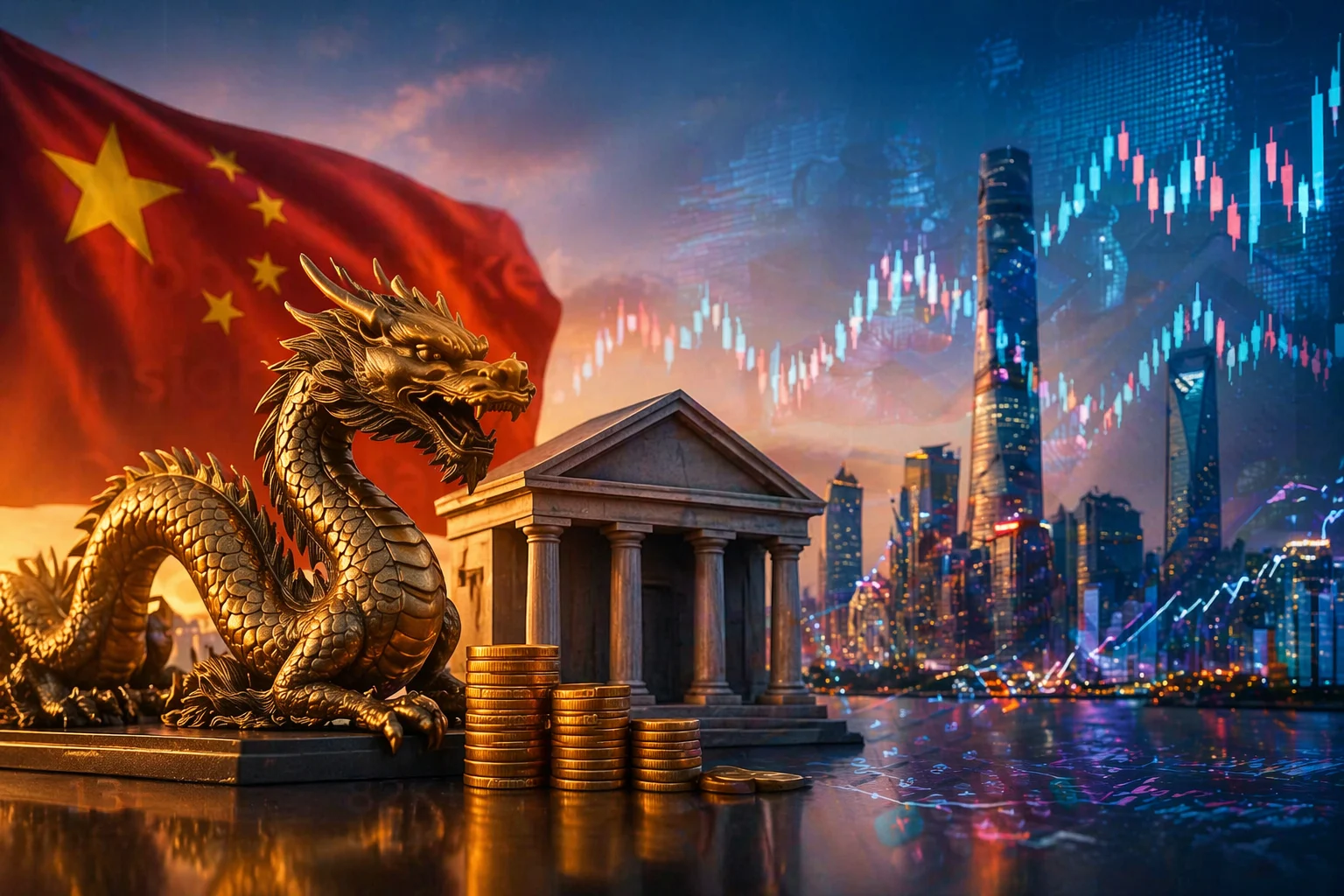
China surprised no one but moved everyone. The decision to keep benchmark lending rates unchanged immediately became one of the most discussed market stories across Asia. Investors had been watching closely for any signal that Beijing might cut rates to support growth, especially as the property sector remains fragile, consumer demand stays mixed, and global trade conditions continue to shift. Instead of easing policy again, Chinese authorities chose stability. That one move was enough to send ripples across stocks, currencies, commodities, and investor sentiment throughout the region.
For market watchers, this was more than a technical central bank update. It was a message. By holding rates steady, China signaled that it wants to balance growth support with financial discipline. Lowering rates too aggressively can create fresh debt risks, weaken the yuan, and pressure banks. Holding rates, meanwhile, suggests policymakers believe targeted stimulus and structural support may be more effective than broad monetary easing. That is why markets from Hong Kong to Tokyo reacted quickly.
The phrase China holds rates may sound simple, but in 2026 it carries major weight. China remains one of the largest economic engines in the world. When it changes policy, commodity exporters feel it. When it signals caution, manufacturers listen. When it prioritizes stability, investors recalculate portfolios. Asia’s market reaction was not just about interest rates. It was about what comes next for growth, inflation, exports, and confidence.
What China Actually Decided
The People’s Bank of China kept its key lending benchmarks unchanged, including the one-year Loan Prime Rate and the five-year Loan Prime Rate. These rates influence borrowing costs for businesses, households, and mortgage holders. Markets had debated whether authorities might trim rates again to stimulate lending and support weak sectors such as real estate. That did not happen.
Keeping rates steady suggests officials are trying to preserve room for future action. If growth slows further later in the year, they may prefer to deploy cuts then. Another factor is currency management. Lower rates often weaken a currency, and China has been managing yuan stability carefully in a world where exchange-rate volatility can quickly affect trade flows and investor confidence.
This decision also reflects a broader shift in economic management. Instead of relying only on cheaper money, Beijing has increasingly leaned on targeted tools. These include infrastructure spending, industrial policy support, selective lending programs, and incentives aimed at strategic sectors like technology, green energy, and advanced manufacturing.
Why Asia Markets Moved Immediately
The reason Asian markets reacted so fast is simple: China matters to nearly every major economy in the region. If Chinese growth improves, neighboring exporters benefit. If Chinese demand weakens, commodity producers and manufacturing hubs feel pressure. If China signals caution, global funds often reposition.
After the rate hold announcement, investors reassessed expectations. Some traders who had expected a cut reduced bullish bets tied to stimulus hopes. Others viewed the decision positively, arguing that stability shows policymakers are not panicking. That created mixed reactions across the region rather than one-direction moves.
Markets in Hong Kong often respond first because many China-linked firms are listed there. Japanese equities can move depending on what the China signal means for exporters and supply chains. South Korean shares often react through semiconductor demand expectations. Southeast Asian markets also watch closely because Chinese tourism, investment flows, and commodity demand remain highly influential.
Stocks Across Asia Show Mixed Energy
Asian equities often move on both emotion and logic, and this event had plenty of both. Some sectors gained because rate stability suggested confidence. Others slipped because traders wanted stronger stimulus.
Banking shares can benefit when rates are not cut too aggressively, since lower rates may squeeze margins. Consumer stocks may face pressure if markets worry household demand will remain soft. Property developers often prefer easier borrowing conditions, so no cut can disappoint that segment. Export-driven manufacturers may focus more on broader growth trends than on the rate decision itself.
Tech names linked to Chinese consumption also came under the spotlight. If investors believe spending recovery will be gradual, discretionary sectors may trade carefully. If they believe Beijing is preserving ammunition for stronger later support, then optimism can return quickly.
That is why the headline Asia markets react is accurate. The reaction was broad, layered, and sector-specific.
The Real Estate Factor Still Matters
Any conversation about China rates in 2026 eventually returns to property. The real estate sector has been one of the biggest drags on confidence over recent years. Developers faced financing stress, buyers became cautious, and housing sentiment weakened.
The five-year Loan Prime Rate is particularly important because it influences mortgage pricing. Some investors hoped for another cut to support housing demand. By leaving it unchanged, authorities may be signaling that rate reductions alone are not enough to fix deeper structural issues.
Housing markets often depend on confidence, employment stability, household income growth, and belief that prices will hold value. Lower borrowing costs can help, but they do not automatically create demand. China appears increasingly aware of that reality.
This means future property support may come through more targeted channels such as local government measures, inventory absorption programs, urban renewal, or direct financing support rather than headline rate cuts alone.
What This Means for the Yuan
Currency markets also paid attention. A lower interest rate environment can place downward pressure on the yuan, especially if other major economies maintain relatively higher yields. By holding rates steady, China helps avoid widening rate differentials too sharply.
For global investors, currency stability matters. A volatile yuan can affect trade pricing, capital flows, and confidence in emerging market allocations. Regional currencies often respond to yuan direction as well.
A stable yuan can be supportive for Asian markets because it reduces one layer of uncertainty. However, if growth concerns rise, currency stability alone may not be enough to lift sentiment. Markets always weigh multiple forces at once.
Global Investors Read Between the Lines
Professional investors rarely trade only the headline. They ask what the decision means beneath the surface. In this case, many are reading three possible messages.
First, China may believe current policy settings are already accommodative enough for now. Second, officials may want to wait for more economic data before acting again. Third, policymakers may prefer targeted support over broad monetary easing.
That interpretation matters because capital flows respond to future expectations, not just present facts. If funds believe stronger measures are coming later, risk appetite can recover quickly. If they think policymakers are too cautious, markets may remain hesitant.
This is why every China policy meeting gets so much attention. The world’s second-largest economy does not need dramatic moves to move markets. Sometimes doing nothing creates the biggest reaction.
Impact on Commodities
China remains one of the world’s largest consumers of industrial metals, energy, and raw materials. So when China signals anything about growth, commodity traders react.
If investors believe stable rates mean growth support is still sufficient, copper and iron ore can stay resilient. If they interpret the hold as a lack of urgency, commodity prices may soften on demand concerns. Oil markets also track China closely because mobility, manufacturing, and logistics trends affect global consumption forecasts.
Commodity-linked currencies such as the Australian dollar often respond to China news because Australia exports heavily into Chinese demand channels. That makes China monetary policy relevant far beyond its borders.
Could a Future Rate Cut Still Happen?
Absolutely. Holding rates now does not rule out action later. Central banks often pause while studying incoming data. If inflation remains contained and growth disappoints, China still has room to ease further.
Key data points markets will watch include industrial output, retail sales, housing activity, private investment, youth employment, and export momentum. If those indicators weaken, expectations for future easing could rise fast.
Markets are forward-looking. Even if rates were unchanged today, traders may already be pricing what happens next quarter.
Why Gen Z Investors Are Watching China
A younger generation of investors now follows macroeconomics in real time. They track markets through apps, short-form media, newsletters, and creator commentary. For Gen Z traders and long-term investors, China policy decisions are no longer distant finance news. They influence ETFs, crypto sentiment, tech stocks, commodity names, and currency moves visible in daily portfolios.
China’s rate decision also highlights an important lesson: markets often move on expectations more than outcomes. If everyone expects a cut and none comes, that itself becomes market-moving news.
For new investors, understanding expectation gaps can be more valuable than memorizing jargon.
Asia’s Bigger Economic Story in 2026
The region is navigating a complex year. Inflation has cooled in some places but remains sticky in others. Export demand is recovering unevenly. Supply chains continue evolving. Technology competition is reshaping industrial strategies. Tourism is rebounding in several economies. Central banks across Asia are balancing growth and currency stability at the same time.
Against that backdrop, China’s decisions become anchor points. Whether it stimulates more aggressively, stays cautious, or pivots later can influence sentiment across the continent.
That is why one unchanged rate can still become front-page financial news.
What Traders Are Watching Next
The next phase is all about confirmation. Investors will monitor whether upcoming Chinese data supports the decision. Stronger retail spending or industrial output could validate the hold. Weak numbers could renew calls for easing.
They will also watch policy language. Sometimes statements, guidance, and targeted programs matter more than benchmark rate moves. Fiscal policy announcements, support for housing, and industrial investment plans can shift sentiment just as much.
Global developments matter too. If the Federal Reserve changes direction, that can alter China’s room to maneuver. If commodity prices jump, inflation dynamics shift. If geopolitical tensions rise, capital flows can change quickly.
Practical Takeaways for Investors
For readers following markets, several lessons stand out:
- China policy remains a major driver for Asian assets.
- Rate holds can move markets as much as cuts.
- Sector reactions matter more than headline index moves.
- Currency stability is part of the policy equation.
- Future expectations often matter more than current decisions.
Investors who understand these dynamics are better positioned than those who only react to price swings after they happen.
The Mood Check: Calm, Not Excited
The overall tone from this decision was not panic and not celebration. It was cautious recalibration. Markets wanted to know whether China would go bigger on support. Instead, they received a message of measured patience.
That can frustrate aggressive bulls hoping for immediate stimulus. But it can also reassure long-term investors who prefer disciplined policy over short-term shock moves.
Sometimes markets chase adrenaline. Policymakers usually prefer control.
Final Verdict
The headline China Holds Rates, Asia Markets React Fast captures a bigger reality about 2026 finance. China is trying to support growth without creating new imbalances. Investors are trying to predict the next step before it happens. Asian markets are responding in real time to every signal.
This rate hold may look like a pause, but pauses in economics are rarely passive. They are moments where governments gather data, investors reposition, and narratives shift quietly before the next major move.
For now, China chose stability. Asia chose to react. And the world will keep watching what comes next.