
World Energy Trends: Gulf Tensions and AI Boom
 Vortixel
9 minutes read
Vortixel
9 minutes read
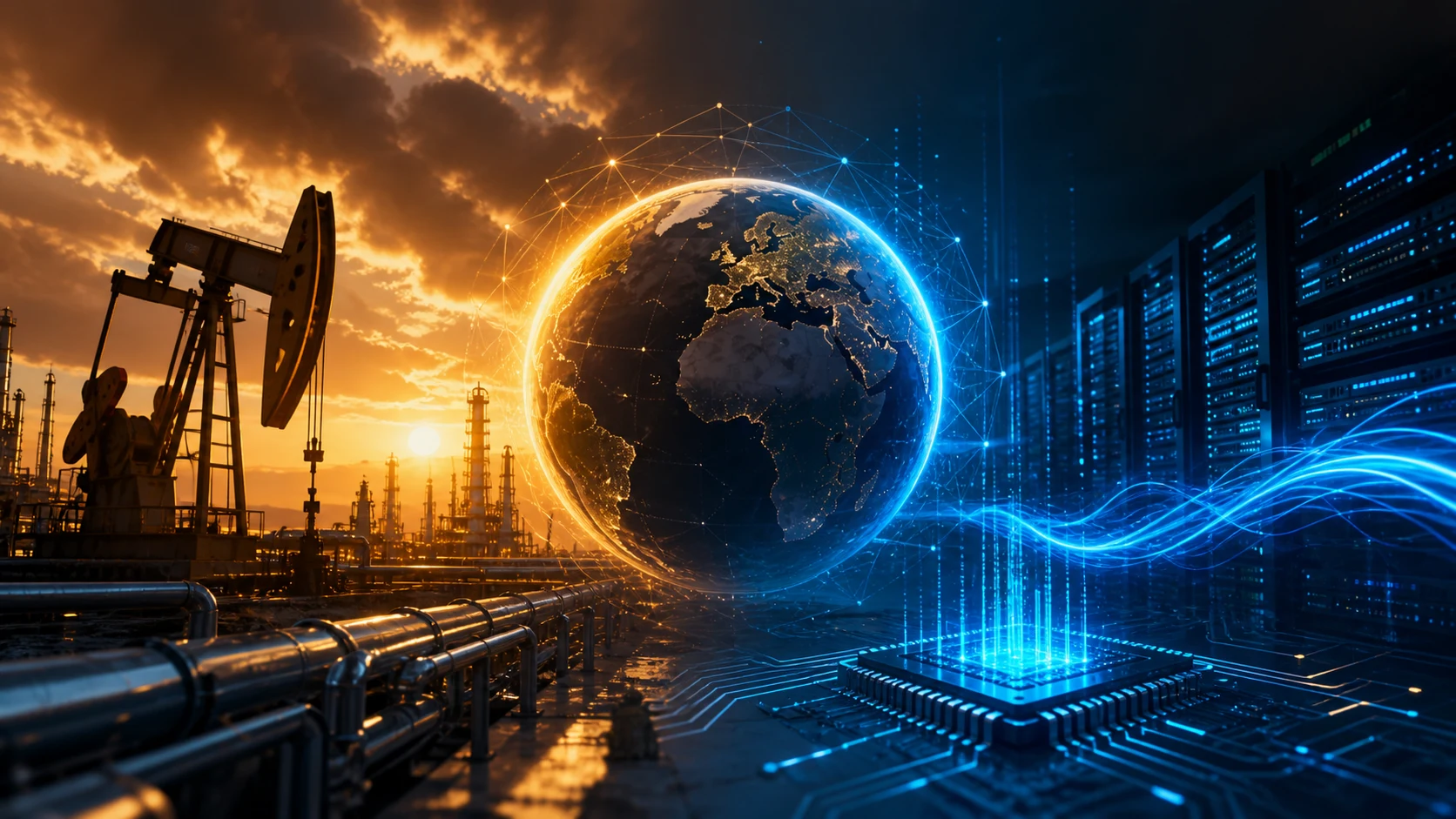
The global economy doesn’t wake up gently anymore. It jolts awake, reacting to headlines that feel more like plot twists than routine updates. One day, markets are calm and calculated, and the next, they are scrambling to process geopolitical shocks and technological surges at the same time. That’s exactly the mood captured in the phrase “Morning Bid: Gulf singe, AI binge,” where two powerful forces collide: rising tensions in the Gulf and the unstoppable expansion of artificial intelligence. At the center of it all lies World Energy, a sector that continues to dictate the rhythm of global markets, shaping everything from inflation to innovation. This is not just about oil prices or tech stocks; it is about how the world recalibrates itself in real time.
The Gulf region has always been a pressure point for global stability, but in 2026, the stakes feel amplified. Energy supply routes, especially those passing through critical chokepoints, are once again under scrutiny. At the same time, AI is rewriting the rules of productivity, investment, and long-term economic growth. These two narratives—one rooted in physical resources and the other in digital transformation—are unfolding simultaneously, creating a unique moment in history. Understanding how they intersect is key to decoding the future of World Energy markets, and more importantly, the broader global economy.
Gulf Tensions Reshape World Energy Landscape
The Gulf has long been synonymous with oil, power, and geopolitical complexity, but recent developments have elevated its significance even further. Tensions in the region are no longer isolated incidents; they ripple across continents, influencing prices, policies, and investor sentiment. When instability touches key oil-producing nations or critical shipping lanes, the immediate effect is a surge in uncertainty. Traders react quickly, often pushing oil prices higher in anticipation of supply disruptions, even before any physical shortage occurs.
This dynamic is particularly important for World Energy markets, where perception can be just as influential as reality. A single headline about potential conflict can send futures contracts soaring, impacting everything from gasoline prices to manufacturing costs. Countries that rely heavily on imported energy feel the pressure almost instantly, while exporting nations may see short-term gains but face long-term volatility risks. The delicate balance between supply and demand becomes even more fragile when geopolitical risks are layered on top of existing economic challenges.
Beyond pricing, Gulf tensions also force governments to rethink their energy strategies. Energy security becomes a priority, leading to increased investments in alternative sources and strategic reserves. This shift is not just reactive; it signals a broader transformation in how nations approach global energy dynamics. The idea of relying heavily on a single region for energy supply is increasingly seen as a vulnerability, pushing countries toward diversification and resilience.
Oil Supply Chains Under Pressure
The complexity of global oil supply chains cannot be overstated, especially when they intersect with geopolitical hotspots. The Strait of Hormuz, for example, remains one of the most critical arteries for global oil transportation. Any disruption in this narrow passage has the potential to affect a significant portion of the world’s oil supply, creating a domino effect across markets. Shipping delays, insurance costs, and logistical challenges all contribute to rising energy prices, even if the disruption is temporary.
For businesses and consumers alike, these disruptions translate into higher costs and increased uncertainty. Airlines, shipping companies, and manufacturing sectors are particularly vulnerable, as they rely heavily on stable fuel prices. When World Energy supply chains are under stress, the impact extends far beyond the energy sector itself. It influences global trade, consumer spending, and even monetary policy decisions, as central banks grapple with inflationary pressures.
Interestingly, these challenges also create opportunities for innovation. Companies are investing in more efficient logistics, alternative fuels, and digital tracking systems to mitigate risks. The intersection of technology and energy is becoming more pronounced, setting the stage for a future where resilience is built into the system rather than added as an afterthought.
AI Boom Drives New Energy Demand
While the Gulf situation highlights the fragility of traditional energy systems, the rise of AI introduces a completely different kind of challenge. Artificial intelligence is not just a technological trend; it is a massive consumer of energy. Data centers, machine learning models, and cloud computing infrastructures require enormous amounts of electricity, creating a new layer of demand within the World Energy ecosystem. This demand is not cyclical; it is structural, meaning it is likely to grow steadily over time.
The relationship between AI and energy is both fascinating and complex. On one hand, AI has the potential to optimize energy usage, making systems more efficient and reducing waste. On the other hand, the sheer scale of computational power required to train advanced models can strain existing energy infrastructure. This duality creates a paradox where technology that promises efficiency also drives consumption.
Investors are keenly aware of this dynamic, which is why AI-related companies are attracting significant capital. However, the real story lies in how this investment translates into energy demand. Data centers are being built at an unprecedented pace, often in regions with access to reliable and affordable power. This trend is reshaping the geography of global energy demand, as countries compete to become hubs for AI infrastructure.
Data Centers and Electricity Consumption
The explosion of data centers is one of the most visible manifestations of the AI boom. These facilities operate շուրջ the clock, consuming vast amounts of electricity to power servers, cooling systems, and network infrastructure. In some regions, data centers already account for a significant portion of total electricity consumption, raising questions about sustainability and long-term viability.
For the World Energy sector, this trend represents both a challenge and an opportunity. On one side, there is the need to scale up energy production to meet growing demand. On the other, there is a push toward cleaner and more sustainable energy sources to minimize environmental impact. Renewable energy, particularly solar and wind, is becoming increasingly attractive for powering data centers, as companies seek to balance growth with sustainability commitments.
The integration of AI into energy systems also opens up new possibilities. Smart grids, predictive maintenance, and real-time energy management are just a few examples of how technology can enhance efficiency. These innovations not only reduce costs but also improve reliability, making the energy system more resilient in the face of disruptions.
The Collision of Geopolitics and Technology
What makes the current moment unique is the simultaneous influence of geopolitical tension and technological advancement. These two forces are not operating in isolation; they are interacting in ways that amplify their impact. For instance, rising energy prices due to Gulf tensions can increase the cost of running data centers, affecting the economics of AI development. Conversely, advancements in AI can help optimize energy usage, mitigating some of the effects of supply disruptions.
This interplay creates a feedback loop that shapes the future of World Energy markets. Policymakers, businesses, and investors must navigate this complex landscape, balancing short-term risks with long-term opportunities. The ability to adapt quickly is becoming a critical factor in determining success, as traditional models of planning and forecasting struggle to keep up with rapid changes.
Another important aspect is the role of regulation. Governments are increasingly involved in shaping both energy and technology sectors, setting standards, providing incentives, and managing risks. This involvement can accelerate innovation but also introduce new challenges, particularly when policies vary significantly across regions. The global nature of both energy and AI means that coordination is essential, yet often difficult to achieve.
Market Reactions and Investor Behavior
Financial markets are highly sensitive to both geopolitical events and technological trends, making them a useful lens for understanding the broader impact of these developments. When tensions in the Gulf escalate, energy stocks often surge, reflecting expectations of higher oil prices. At the same time, AI-related stocks continue to attract attention, driven by optimism about future growth.
This dual narrative creates a unique investment environment where traditional energy companies and tech firms coexist as key drivers of market performance. For investors, the challenge lies in identifying opportunities that align with long-term trends while managing short-term risks. Diversification becomes crucial, as reliance on a single sector can expose portfolios to volatility.
The concept of World Energy investment is evolving, encompassing not just oil and gas but also renewable energy, infrastructure, and technology. This broader perspective reflects the interconnected nature of modern economies, where energy and technology are increasingly intertwined. As a result, investment strategies must adapt to this new reality, focusing on resilience, innovation, and sustainability.
Long-Term Impact on Global Economy
The convergence of Gulf tensions and AI expansion is likely to have lasting effects on the global economy. In the short term, volatility is almost inevitable, as markets adjust to new information and shifting expectations. However, the long-term outlook is shaped by structural changes that go beyond immediate events. The transition toward cleaner energy, the growth of digital infrastructure, and the increasing importance of resilience are all part of this broader transformation.
For World Energy systems, the challenge is to balance competing priorities. Ensuring reliable supply, managing costs, and reducing environmental impact are all critical objectives that must be addressed simultaneously. This requires a coordinated effort from governments, businesses, and consumers, as well as a willingness to embrace innovation and change.
The role of emerging markets is also significant, as they are expected to drive a large portion of future energy demand. These regions face unique challenges, including infrastructure limitations and economic constraints, but also offer opportunities for growth and development. By adopting new technologies and sustainable practices, emerging markets can play a key role in shaping the future of global energy.
Sustainability and Energy Transition
The push toward sustainability is gaining momentum, driven by both environmental concerns and economic considerations. Renewable energy is becoming more competitive, supported by technological advancements and policy incentives. At the same time, there is a growing recognition that the transition to a low-carbon economy must be managed carefully to avoid unintended consequences.
In the context of World Energy, sustainability is not just a goal but a necessity. The increasing demand for energy, fueled by population growth and technological expansion, must be met in a way that minimizes environmental impact. This requires a shift in mindset, from viewing energy as a commodity to understanding it as a critical component of a sustainable future.
Innovation will play a central role in this transition, enabling new solutions and improving existing systems. From energy storage to carbon capture, a wide range of technologies is being developed to address the challenges of sustainability. These efforts are not without obstacles, but the potential benefits are significant, offering a path toward a more resilient and sustainable energy system.
Conclusion
The phrase “Morning Bid: Gulf singe, AI binge” captures a moment of convergence that is reshaping the global landscape. On one side, geopolitical tensions in the Gulf are reminding the world of the fragility of traditional energy systems. On the other, the rapid rise of AI is creating new opportunities and challenges, driving demand and innovation in equal measure. At the heart of this dynamic lies World Energy, a sector that continues to influence every aspect of modern life.
As the world navigates this complex environment, the ability to adapt and innovate will be crucial. The interplay between geopolitics and technology is not a temporary phenomenon; it is a defining feature of the current era. By understanding these forces and their implications, we can better prepare for the future, ensuring that the energy systems of tomorrow are not only efficient and reliable but also sustainable and resilient.