
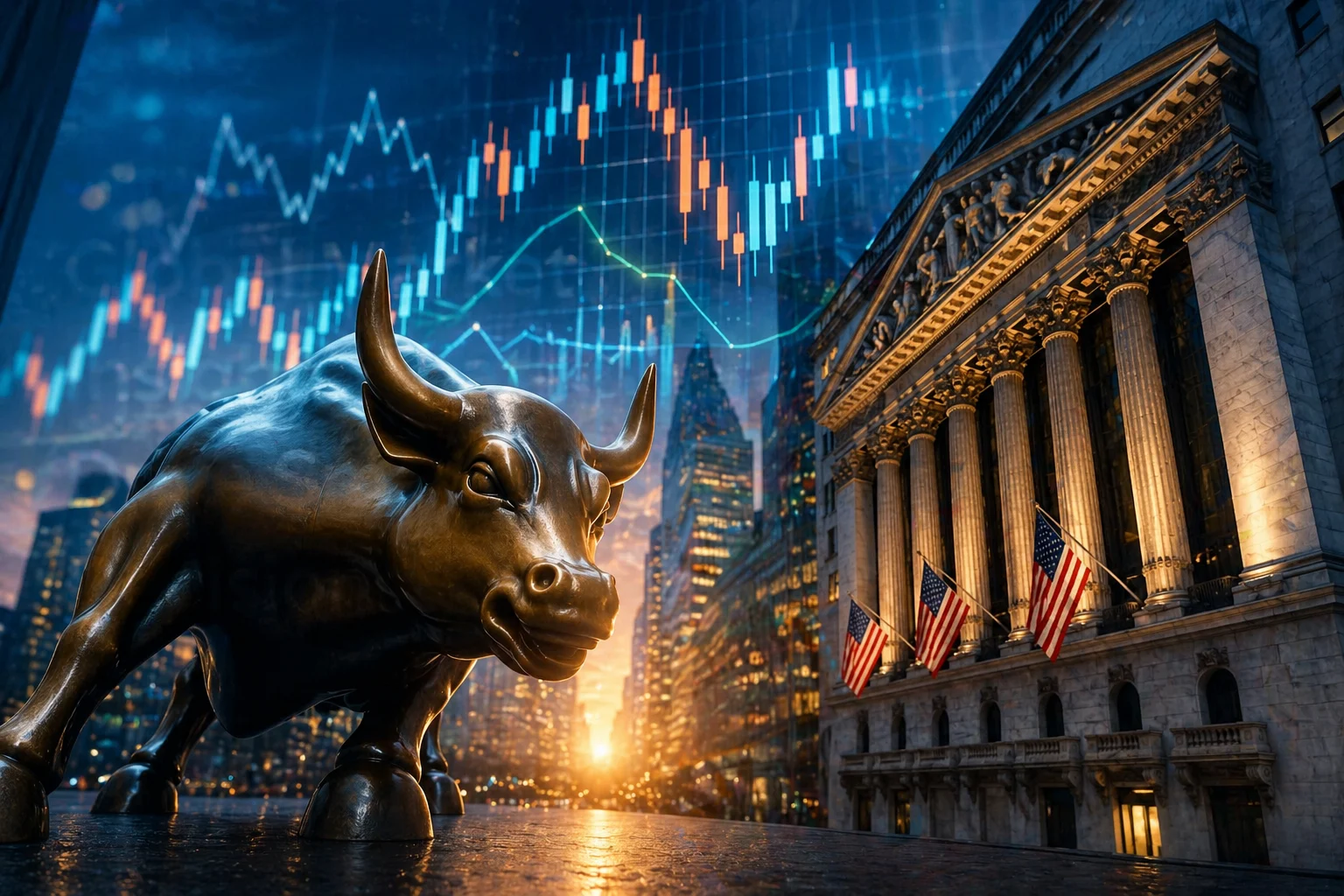
Wall Street enters one of the most important trading weeks of the year with investors watching two major catalysts at the same time: corporate earnings season and the latest Federal Reserve policy meeting. Markets have rallied strongly in recent months, especially technology-heavy indexes, but now traders want proof that valuations are still justified. That proof must come from strong revenue growth, healthy margins, and clear guidance from America’s biggest companies.
At the same time, the Federal Reserve remains the central force shaping financial sentiment in 2026. Every statement, every economic projection, and every signal about future interest rates can move stocks, bonds, commodities, and currencies within minutes. Investors are no longer satisfied with vague optimism. They want direction, and they want it now.
This week combines both forces into a single high-stakes moment. If earnings beat expectations and the Fed sounds supportive, markets may continue higher. If profits disappoint or the Fed stays too hawkish, volatility could return fast. For traders, portfolio managers, and everyday investors, this is a week that could define the next market trend.
Why This Week Matters So Much
The stock market has spent months climbing despite concerns about inflation, slowing growth, and stretched valuations. Much of that rally has been powered by expectations rather than confirmed results. Investors have priced in better earnings, rate cuts later this year, and continued strength in artificial intelligence spending.
Now comes reality check week.
Several mega-cap companies are expected to report results, including firms that dominate cloud computing, semiconductors, digital advertising, and consumer technology. Because these names carry massive weight in indexes like the S&P 500 and Nasdaq, even one weak report can shake the broader market.
Meanwhile, the Federal Reserve is expected to keep rates steady, but markets care less about the current decision and more about what comes next. If policymakers hint that inflation risks remain high, traders may reduce bets on future cuts. If the Fed sounds more confident about price stability, risk assets could get another boost.
That combination makes this week more than just another set of headlines. It is a stress test for the entire bull market.
Wall Street’s Current Mood: Optimistic but Nervous
The current mood on Wall Street can be described in one sentence: bullish outside, anxious inside.
Major indexes have been near highs, and many investors still believe the long-term trend remains positive. Economic growth has stayed more resilient than expected, unemployment remains relatively healthy, and corporate America has adapted well to higher borrowing costs.
But underneath the surface, caution is rising.
Some traders worry that stock prices have moved too far too fast. Others point to concentration risk, where a small number of mega-cap names drive most of the gains. If those leaders stumble, the broader market may struggle.
There is also concern that inflation could prove sticky again. Energy prices, wage pressures, and geopolitical uncertainty remain key risks. If inflation refuses to cool, the Fed may keep rates higher for longer, which usually pressures growth stocks and speculative assets.
That is why this week matters emotionally as much as financially. It will either calm nerves or amplify them.
Earnings Season Takes Center Stage
When markets are expensive, earnings matter even more. Investors can tolerate high valuations if companies continue delivering strong profit growth. They become less patient when expectations are missed.
This week’s earnings reports are expected to focus on several themes:
1. Artificial Intelligence Spending
AI remains the dominant story in markets. Investors want to know whether massive spending on data centers, chips, cloud infrastructure, and software tools is translating into real revenue.
If companies show strong demand and expanding margins, AI optimism stays alive. If executives admit monetization is slower than expected, markets may reassess.
2. Consumer Strength
Many companies will discuss whether consumers are still spending freely or becoming more selective. High interest rates and inflation can slowly pressure household budgets.
Retail trends, subscription growth, travel demand, and payment data will be watched closely.
3. Guidance for the Rest of 2026
Past results matter, but future guidance often matters more. Investors want management teams to explain what they expect in the next quarter and second half of the year.
Strong guidance can lift shares even after average results. Weak guidance can punish a stock despite beating estimates.
4. Margin Discipline
Companies that control costs while maintaining growth usually win market approval. Investors continue rewarding efficiency.
The Federal Reserve Factor
Even during peak earnings season, the Federal Reserve can dominate headlines within seconds.
Markets widely expect no immediate rate change this week. However, the real focus is the tone of Chair Jerome Powell and the policy statement.
Key questions investors want answered:
- Is inflation still falling fast enough?
- Are rate cuts possible later in 2026?
- Is economic growth slowing or stabilizing?
- Does the Fed worry about overheating asset prices?
- How much confidence do policymakers have right now?
If Powell sounds balanced and patient, markets may react positively. If he emphasizes inflation risks too strongly, bond yields could rise and stocks could pull back.
For Wall Street, words matter almost as much as numbers.
How Different Sectors Could React
Technology Stocks
Tech remains highly sensitive to both earnings and rates. Strong earnings plus dovish Fed signals could send Nasdaq higher again. Weak reports or hawkish commentary may trigger fast profit-taking.
Financial Stocks
Banks and insurers watch rate expectations closely. Higher-for-longer rates can help margins in some areas but also slow lending activity.
Energy Stocks
Oil price volatility remains important. If geopolitical tensions keep crude elevated, energy names may stay supported.
Consumer Stocks
Retailers, travel companies, and entertainment firms depend on household confidence. Any sign consumers are slowing could pressure the sector.
Industrials and Materials
These sectors often respond to economic outlook changes. Strong growth signals can help cyclical names.
What Smart Investors Are Watching Beyond Headlines
Many casual traders focus only on whether a company “beats” earnings estimates. Professional investors go deeper.
They analyze:
- Revenue quality
- Free cash flow
- Capital expenditure trends
- Inventory levels
- Geographic demand strength
- Pricing power
- Management credibility
- Future margin outlook
Similarly, with the Fed, professionals look beyond the rate decision itself. They compare language changes, tone shifts, and updated economic assumptions.
This deeper reading often explains why markets sometimes fall after a company beats earnings or rise after mixed results.
Risks That Could Surprise Markets
Even in a week centered on earnings and the Fed, outside shocks can move markets.
Geopolitical Tension
Any escalation involving major global regions can affect oil prices, supply chains, and investor sentiment.
Bond Yield Spikes
If Treasury yields jump quickly, equity valuations may come under pressure.
Weak Guidance from Market Leaders
When giant companies disappoint, the psychological effect can be larger than the financial one.
Unexpected Fed Hawkishness
If policymakers sound tougher than markets expect, repricing can happen rapidly.
Why Retail Investors Should Stay Calm
Weeks like this often create dramatic headlines and emotional trading moves. But long-term investors should remember that one week rarely changes the full investment story.
Short-term volatility is normal. Markets digest information quickly, then reprice based on broader trends.
Instead of chasing every headline, investors may benefit more from asking:
- Has my long-term thesis changed?
- Is my portfolio diversified enough?
- Am I reacting emotionally?
- Are fundamentals still strong?
Staying disciplined usually beats reacting to every market swing.
Gen Z Investors and the New Market Culture
A new generation of investors now follows markets through apps, social media clips, and real-time commentary. That has changed how earnings weeks feel.
Moves that once stayed inside trading desks now become viral content instantly. One CEO quote can trend online. One chart can trigger fear or hype in minutes.
But fast information does not always mean better decisions.
Gen Z investors entering the market today have one advantage: access to endless data. Their challenge is filtering noise from signal.
This week is a perfect example. There will be bold takes everywhere. Some will be smart. Many will be reactionary.
The smartest move is often patience.
Bull Case for Markets This Week
Reasons bulls remain confident:
- Corporate earnings continue beating expectations
- AI demand remains strong
- Economic growth avoids recession
- Inflation trends gradually lower
- Fed still positioned for eventual cuts
- Liquidity remains supportive
If these themes hold, indexes may continue climbing.
Bear Case for Markets This Week
Reasons bears remain cautious:
- Valuations already reflect good news
- Too much concentration in mega-cap names
- Sticky inflation delays cuts
- Consumers begin slowing
- Guidance disappoints
- Bond yields rise again
If these concerns grow, a correction becomes possible.
What History Suggests
Markets often experience higher volatility during weeks when major earnings and Fed meetings happen together. This is natural because investors are processing multiple powerful inputs at once.
However, volatility does not always mean weakness. Sometimes markets swing sharply before choosing a stronger direction afterward.
History also shows that leadership matters. When large-cap companies deliver solid results, broader indexes often stabilize faster.
Trading Strategies Being Used This Week
Many professional traders reduce position size before major events. Others hedge with options. Some wait for clarity rather than predicting outcomes.
Common approaches include:
- Holding cash temporarily
- Using stop-loss discipline
- Rotating into defensive sectors
- Buying quality names after pullbacks
- Selling into euphoric spikes
Risk management becomes especially important during event-heavy weeks.
Long-Term Perspective Still Matters Most
While this week feels huge, long-term wealth creation still depends on trends measured in years, not hours.
Investors who focus only on Fed meetings and quarterly reports can miss the bigger picture:
- Innovation cycles
- Productivity growth
- Demographic shifts
- Global capital flows
- Technological transformation
- Corporate adaptability
These forces shape markets over decades.
Short-term events create noise. Long-term trends create fortunes.
Final Outlook for Wall Street This Week
Wall Street stands at a classic crossroads. Optimism has pushed stocks higher, but confidence now needs evidence. Earnings must justify valuations. The Fed must avoid shocking markets. Investors need reassurance that growth and inflation can coexist without policy trouble.
If that happens, markets may extend their rally and reinforce the bullish narrative of 2026. If not, a pullback could reset expectations and cool speculative momentum.
Either way, this is one of those weeks where headlines matter, numbers matter, and tone matters. Traders will watch every chart, every earnings call, and every Fed sentence.
For everyone else, the best takeaway is simpler: stay informed, stay disciplined, and think beyond one week.
Because markets move daily, but successful investing is still a long game.
Want more market insights?
Explore more analysis on inflation, rates, macro trends, AI economics, investment sentiment, and the forces moving global markets right now.