
Oil Hits $110, Global Markets Face Panic Wave
 Vortixel
8 minutes read
Vortixel
8 minutes read
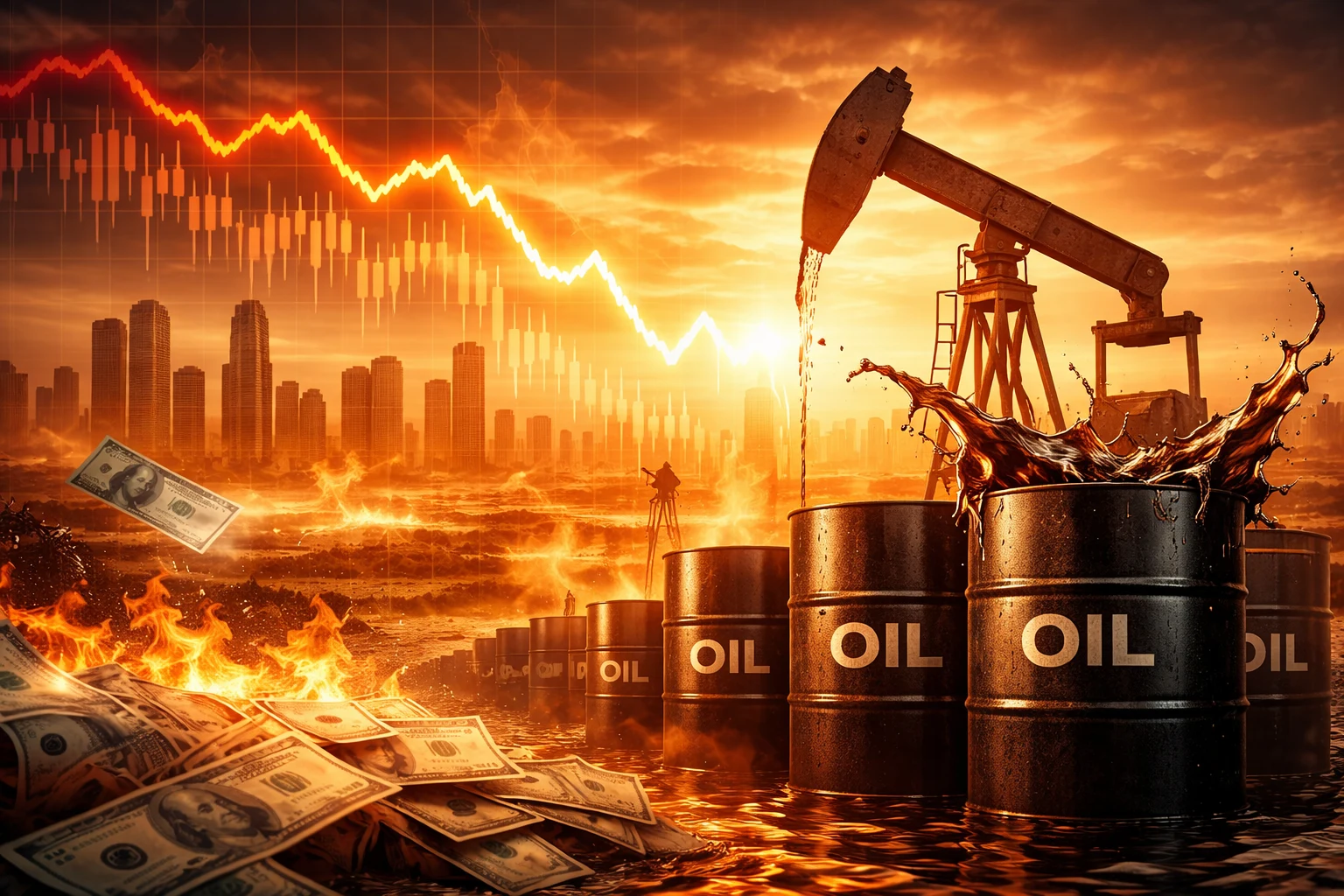
Introduction: When Oil Moves, Everything Moves
The global economy just got a serious wake-up call. Oil prices surging past $110 per barrel are no longer just a headline—they’re a signal that something deeper is unfolding beneath the surface of global markets. Investors, policymakers, and everyday consumers are all feeling the shockwaves, as energy costs ripple across industries and borders. This isn’t just about fuel anymore; it’s about inflation, interest rates, geopolitical tension, and the fragile balance of the post-pandemic recovery.
In recent days, market sentiment has shifted sharply from cautious optimism to outright anxiety. Traders are reacting in real time to escalating tensions in the Middle East, supply disruptions, and tightening energy inventories. The result is a volatile environment where stocks wobble, currencies fluctuate, and commodities surge. For a generation of investors used to relatively stable energy prices, this sudden spike is a stark reminder of how interconnected and unpredictable global markets can be.
What makes this moment particularly significant is how quickly things escalated. Just months ago, oil prices were relatively contained, hovering at levels that supported moderate growth without triggering inflation alarms. Now, with prices breaching the $110 mark, the narrative has changed entirely. The question is no longer whether markets will react, but how deep and widespread the impact will be.
Why Oil at $110 Is a Big Deal
When oil crosses the psychological threshold of $100, it already raises eyebrows. At $110 per barrel, it becomes a full-blown macroeconomic event. Energy is a foundational input for nearly every sector, from transportation and manufacturing to agriculture and technology. As oil prices rise, the cost of doing business increases across the board.
For companies, this means tighter margins. For consumers, it translates to higher prices at the pump and rising costs of goods and services. Airlines, logistics firms, and heavy industries are among the first to feel the pressure, but the effects don’t stop there. Higher fuel costs eventually make their way into food prices, retail goods, and even digital services.
From a macro perspective, elevated oil prices act like a tax on economic growth. They reduce disposable income, slow down consumption, and increase the likelihood of inflation spiraling out of control. Central banks, already walking a tightrope between growth and price stability, now face even tougher decisions.
This is why markets are reacting so strongly. It’s not just about oil—it’s about what oil represents: uncertainty, risk, and the potential for systemic disruption.
Geopolitics: The Core Trigger Behind the Surge
At the heart of the current oil spike is geopolitics. Rising tensions in key oil-producing regions, particularly in the Middle East, have disrupted supply expectations and fueled market speculation. Even the possibility of supply interruptions is enough to send prices soaring, as traders price in worst-case scenarios.
Conflicts involving major producers or transit routes can quickly tighten global supply. Shipping lanes, pipelines, and production facilities become strategic assets—and potential targets. In this environment, markets don’t wait for actual disruptions; they react to the risk of disruption.
Sanctions, diplomatic breakdowns, and military escalations all contribute to the volatility. For example, if a major exporter faces restrictions or instability, global supply chains must adjust quickly. This often leads to short-term shortages and long-term price increases.
The current situation highlights a key truth: energy markets are as much about politics as they are about economics. And when geopolitical risks rise, oil prices tend to follow.
Market Reactions: Panic, Volatility, and Flight to Safety
The immediate response in global markets has been a mix of panic and repositioning. Stock markets across major economies have shown increased volatility, with energy-intensive sectors taking the hardest hits. Technology stocks, which rely on stable economic conditions and consumer spending, have also seen pressure.
Investors are moving capital into traditional safe-haven assets. Gold prices have ticked higher, while the U.S. dollar remains relatively strong as global uncertainty drives demand for stability. Government bonds, particularly U.S. Treasuries, are also seeing renewed interest.
At the same time, energy stocks are experiencing a surge. Oil companies, drilling firms, and energy service providers are benefiting from higher prices, creating a sharp contrast within equity markets. This divergence highlights the uneven impact of the current situation.
Volatility indices, often referred to as the market’s “fear gauge,” have spiked, indicating heightened anxiety among investors. This kind of environment tends to favor short-term trading strategies over long-term investment planning, further amplifying market swings.
Inflation Pressure: The Domino Effect Begins
One of the most immediate consequences of rising oil prices is inflation. Energy costs are a major component of inflation indices, and a sustained increase in oil prices can push inflation well above central bank targets.
This creates a domino effect. As fuel costs rise, transportation becomes more expensive. This, in turn, increases the cost of goods, from groceries to electronics. Businesses pass these costs on to consumers, leading to higher prices across the economy.
For households, this means reduced purchasing power. Wages rarely keep up with rapid inflation, resulting in tighter budgets and lower discretionary spending. This can slow economic growth, creating a challenging environment for businesses and policymakers alike.
Central banks now face a dilemma. On one hand, they need to control inflation. On the other, raising interest rates too aggressively could stifle economic growth. The balance between these two objectives has never been more delicate.
Central Banks Under Pressure
With oil prices climbing and inflation risks rising, central banks are under intense scrutiny. The Federal Reserve, the European Central Bank, and other major institutions must decide how to respond to this new reality.
In recent months, there has been growing speculation about interest rate cuts to support economic growth. However, the surge in oil prices complicates this narrative. Higher energy costs could force central banks to maintain or even increase interest rates to keep inflation in check.
This shift in expectations is already affecting financial markets. Bond yields are adjusting, currency markets are reacting, and investor sentiment is becoming increasingly cautious. The idea of a “soft landing” for the global economy is now being questioned.
For policymakers, the challenge is not just economic but also political. Decisions on interest rates, energy policy, and fiscal measures will have far-reaching consequences, both domestically and internationally.
Global Trade and Supply Chains at Risk
High oil prices don’t just impact local economies—they disrupt global trade. Shipping costs increase, supply chains become more expensive, and international trade slows down. For a world still recovering from pandemic-era disruptions, this is a significant setback.
Countries that rely heavily on imports, particularly energy imports, are especially vulnerable. Trade deficits can widen, currencies can weaken, and economic stability can be threatened. Emerging markets often bear the brunt of these challenges, as they have less capacity to absorb shocks.
At the same time, exporting countries may benefit from higher revenues, but this can also lead to imbalances in the global economy. The redistribution of wealth and resources can create new tensions and dependencies.
In this context, energy security becomes a top priority. Governments are increasingly looking at diversifying energy sources, investing in renewables, and building strategic reserves to mitigate future risks.
Sector Breakdown: Winners and Losers
The current oil surge is creating clear winners and losers across industries. Understanding this dynamic is key to navigating the market.
Winners:
- Energy companies and oil producers
- Commodity traders
- Renewable energy firms (long-term benefit)
Losers:
- Airlines and transportation companies
- Manufacturing industries
- Consumer goods companies
Technology companies, often seen as resilient, are also feeling indirect pressure. Reduced consumer spending and higher operational costs can impact growth projections and valuations.
This uneven impact is reshaping investment strategies. Portfolio diversification, risk management, and sector rotation are becoming more important than ever.
The Gen Z Investor Perspective
For a new generation of investors, this moment is both a challenge and an opportunity. Gen Z investors, who grew up in a digital-first, data-driven world, are approaching markets differently. They rely on real-time information, social sentiment, and alternative data sources to make decisions.
The oil price surge is a test of resilience and adaptability. It highlights the importance of understanding macroeconomic trends, not just individual stocks or sectors. For many young investors, this is a learning moment—a chance to see how global events shape financial markets.
There’s also a growing focus on sustainability. High oil prices are accelerating interest in renewable energy and green technologies. This shift could redefine investment landscapes in the coming years.
What Happens Next? Scenarios to Watch
The future of oil prices—and global markets—depends on several key factors:
- Geopolitical Developments
Any escalation or resolution in current conflicts will have a direct impact on oil supply and prices. - Central Bank Policies
Interest rate decisions will shape market dynamics and investor sentiment. - Global Demand Trends
Economic growth or slowdown will influence energy consumption and pricing. - Energy Transition Efforts
Increased investment in renewables could reduce long-term dependence on oil.
Each of these factors is interconnected, creating a complex and evolving landscape. Markets will continue to react to new information, making volatility the new normal.
Conclusion: A Market Redefined by Energy Shock
The surge in oil prices to $110 per barrel is more than just a temporary spike—it’s a defining moment for global markets. It underscores the fragility of the current economic environment and the powerful role of energy in shaping financial outcomes.
For investors, businesses, and policymakers, the message is clear: adaptability is key. The ability to navigate uncertainty, manage risk, and seize opportunities will determine success in this new era.
As the world watches how this situation unfolds, one thing is certain—when oil moves, the entire global economy feels it.